


ਡਾਟਾ ਸੈਂਟਰ ਕੂਲਿੰਗ ਸਲਿਊਸ਼ਨਜ਼
ਆਧੁਨਿਕ ਡੇਟਾ ਸੈਂਟਰਾਂ ਲਈ ਉੱਨਤ ਥਰਮਲ ਪ੍ਰਬੰਧਨ ਹੱਲ - ਵਾਟਰ ਕੂਲਿੰਗ, ਕੋਲਡ ਪਲੇਟ ਲਿਕਵਿਡ ਕੂਲਿੰਗ, ਅਤੇ ਇਮਰਸ਼ਨ ਕੂਲਿੰਗ

ਡਾਟਾ ਸੈਂਟਰ ਕੂਲਿੰਗ ਸੰਖੇਪ ਜਾਣਕਾਰੀ
ਆਧੁਨਿਕ ਡੇਟਾ ਸੈਂਟਰ AI/ML ਵਰਕਲੋਡ, ਉੱਚ-ਪ੍ਰਦਰਸ਼ਨ ਕੰਪਿਊਟਿੰਗ (HPC), ਅਤੇ ਹਾਈਪਰਸਕੇਲ ਕਲਾਉਡ ਬੁਨਿਆਦੀ ਢਾਂਚੇ ਦੇ ਤੇਜ਼ ਵਾਧੇ ਕਾਰਨ ਬੇਮਿਸਾਲ ਥਰਮਲ ਪ੍ਰਬੰਧਨ ਚੁਣੌਤੀਆਂ ਦਾ ਸਾਹਮਣਾ ਕਰ ਰਹੇ ਹਨ। 5-10 kW/ਰੈਕ ਦੀ ਰਵਾਇਤੀ ਪਾਵਰ ਘਣਤਾ ਉੱਨਤ ਸਹੂਲਤਾਂ ਵਿੱਚ 50+ kW/ਰੈਕ ਤੱਕ ਵਿਕਸਤ ਹੋ ਗਈ ਹੈ, ਕੁਝ ਅਗਲੀ ਪੀੜ੍ਹੀ ਦੇ ਡੇਟਾ ਸੈਂਟਰ 100+ kW/ਰੈਕ ਘਣਤਾ ਨੂੰ ਨਿਸ਼ਾਨਾ ਬਣਾਉਂਦੇ ਹਨ।
ਪ੍ਰਭਾਵਸ਼ਾਲੀ ਥਰਮਲ ਪ੍ਰਬੰਧਨ ਹੁਣ ਸਿਰਫ਼ ਉਪਕਰਣਾਂ ਦੀ ਭਰੋਸੇਯੋਗਤਾ ਨੂੰ ਬਣਾਈ ਰੱਖਣ ਬਾਰੇ ਨਹੀਂ ਹੈ - ਇਹ ਸਥਿਰਤਾ ਟੀਚਿਆਂ ਨੂੰ ਪ੍ਰਾਪਤ ਕਰਨ, ਸੰਚਾਲਨ ਲਾਗਤਾਂ ਨੂੰ ਘਟਾਉਣ ਅਤੇ ਵਧਦੀ ਸਖ਼ਤ ਊਰਜਾ ਕੁਸ਼ਲਤਾ ਨਿਯਮਾਂ ਨੂੰ ਪੂਰਾ ਕਰਨ ਲਈ ਇੱਕ ਮਹੱਤਵਪੂਰਨ ਕਾਰਕ ਹੈ। ਪਾਵਰ ਵਰਤੋਂ ਪ੍ਰਭਾਵਸ਼ੀਲਤਾ (PUE) ਪ੍ਰਾਇਮਰੀ ਮਾਪਦੰਡ ਵਜੋਂ ਉਭਰਿਆ ਹੈ, ਉਦਯੋਗ ਦੇ ਨੇਤਾਵਾਂ ਨੇ ਲਗਾਤਾਰ 1.3 ਤੋਂ ਹੇਠਾਂ PUE ਰੇਟਿੰਗ ਪ੍ਰਾਪਤ ਕੀਤੀ ਹੈ, ਅਤੇ ਕੁਝ ਇਮਰਸ਼ਨ ਕੂਲਿੰਗ ਸਹੂਲਤਾਂ PUE 1.1 ਤੱਕ ਘੱਟ ਪਹੁੰਚ ਰਹੀਆਂ ਹਨ।
ਗਲੇਸ਼ੀਅਰ ਕੂਲੈਂਟ ਡੇਟਾ ਸੈਂਟਰ ਕੂਲਿੰਗ ਜ਼ਰੂਰਤਾਂ ਦੇ ਪੂਰੇ ਸਪੈਕਟ੍ਰਮ ਲਈ ਅਨੁਕੂਲਿਤ ਵਿਸ਼ੇਸ਼ ਹੀਟ ਟ੍ਰਾਂਸਫਰ ਤਰਲ ਪਦਾਰਥਾਂ ਦਾ ਇੱਕ ਵਿਆਪਕ ਪੋਰਟਫੋਲੀਓ ਪੇਸ਼ ਕਰਦਾ ਹੈ। ਸਾਡੇ ਹੱਲ ਹਰੇਕ ਕੂਲਿੰਗ ਆਰਕੀਟੈਕਚਰ ਦੀਆਂ ਵਿਲੱਖਣ ਮੰਗਾਂ ਨੂੰ ਸੰਬੋਧਿਤ ਕਰਦੇ ਹਨ, ਵੱਧ ਤੋਂ ਵੱਧ ਕੁਸ਼ਲਤਾ, ਭਰੋਸੇਯੋਗਤਾ ਅਤੇ ਲੰਬੀ ਉਮਰ ਨੂੰ ਯਕੀਨੀ ਬਣਾਉਂਦੇ ਹਨ।
ਆਧੁਨਿਕ ਡੇਟਾ ਸੈਂਟਰਾਂ ਵਿੱਚ ਤਿੰਨ ਮੁੱਖ ਕੂਲਿੰਗ ਪਹੁੰਚ ਥਰਮਲ ਪ੍ਰਬੰਧਨ ਵਿਕਾਸ ਦੇ ਵੱਖ-ਵੱਖ ਪੜਾਵਾਂ ਨੂੰ ਦਰਸਾਉਂਦੇ ਹਨ:
● ਪਾਣੀ ਠੰਢਾ ਕਰਨ ਵਾਲੇ ਸਿਸਟਮ- ਰਵਾਇਤੀ ਠੰਢੇ ਪਾਣੀ ਦੇ ਲੂਪ ਮੱਧ-ਘਣਤਾ ਵਾਲੀਆਂ ਸਹੂਲਤਾਂ (20 kW/ਰੈਕ ਤੱਕ) ਲਈ ਆਦਰਸ਼ ਹਨ, ਜੋ PUE 1.3-1.5 ਪ੍ਰਾਪਤ ਕਰਦੇ ਹਨ। ਇਹ ਸਾਬਤ ਤਕਨਾਲੋਜੀ ਜ਼ਿਆਦਾਤਰ ਐਂਟਰਪ੍ਰਾਈਜ਼ ਡੇਟਾ ਸੈਂਟਰਾਂ ਦੀ ਨੀਂਹ ਬਣੀ ਹੋਈ ਹੈ, ਜੋ ਮੁਫਤ ਕੂਲਿੰਗ ਰਣਨੀਤੀਆਂ ਲਈ ਅਨੁਕੂਲਤਾ ਦੇ ਨਾਲ ਲਾਗਤ-ਪ੍ਰਭਾਵਸ਼ਾਲੀ ਕੂਲਿੰਗ ਦੀ ਪੇਸ਼ਕਸ਼ ਕਰਦੀ ਹੈ।
●ਕੋਲਡ ਪਲੇਟ ਤਰਲ ਕੂਲਿੰਗ- ਡਾਇਰੈਕਟ ਸੰਪਰਕ ਕੂਲਿੰਗ ਜੋ ਉੱਚ-ਘਣਤਾ ਵਾਲੇ ਕੰਪਿਊਟਿੰਗ ਵਾਤਾਵਰਣਾਂ (50 kW/ਰੈਕ ਤੱਕ) ਲਈ ਸਰੋਤ 'ਤੇ ਗਰਮੀ ਨੂੰ ਹਟਾਉਂਦਾ ਹੈ, 1.3 ਤੋਂ ਘੱਟ PUE ਪ੍ਰਾਪਤ ਕਰਦਾ ਹੈ। GPU/TPU-ਅਧਾਰਿਤ AI ਸਿਖਲਾਈ ਪ੍ਰਣਾਲੀਆਂ ਅਤੇ HPC ਕਲੱਸਟਰਾਂ ਲਈ ਜ਼ਰੂਰੀ ਹੈ ਜਿੱਥੇ ਏਅਰ ਕੂਲਿੰਗ ਆਪਣੀਆਂ ਭੌਤਿਕ ਸੀਮਾਵਾਂ ਤੱਕ ਪਹੁੰਚਦੀ ਹੈ।
●ਇਮਰਸ਼ਨ ਕੂਲਿੰਗ- ਥਰਮਲ ਪ੍ਰਬੰਧਨ ਦਾ ਸਿਖਰ, ਅਤਿ-ਘਣਤਾ ਵਾਲੇ ਐਪਲੀਕੇਸ਼ਨਾਂ (100+ kW/ਰੈਕ) ਲਈ ਡਾਈਇਲੈਕਟ੍ਰਿਕ ਤਰਲ ਵਿੱਚ ਸਿੱਧੇ IT ਉਪਕਰਣਾਂ ਨੂੰ ਡੁਬੋਣਾ, PUE 1.1-1.2 ਪ੍ਰਾਪਤ ਕਰਨਾ। ਇਹ ਇਨਕਲਾਬੀ ਪਹੁੰਚ ਰਵਾਇਤੀ ਏਅਰ ਕੂਲਿੰਗ ਬੁਨਿਆਦੀ ਢਾਂਚੇ ਨੂੰ ਪੂਰੀ ਤਰ੍ਹਾਂ ਖਤਮ ਕਰ ਦਿੰਦੀ ਹੈ, ਬੇਮਿਸਾਲ ਊਰਜਾ ਕੁਸ਼ਲਤਾ ਅਤੇ ਚੁੱਪ ਸੰਚਾਲਨ ਨੂੰ ਸਮਰੱਥ ਬਣਾਉਂਦੀ ਹੈ।
ਹਰੇਕ ਕੂਲਿੰਗ ਪਹੁੰਚ ਲਈ ਵਿਲੱਖਣ ਵਿਸ਼ੇਸ਼ਤਾਵਾਂ ਵਾਲੇ ਵਿਸ਼ੇਸ਼ ਗਰਮੀ ਟ੍ਰਾਂਸਫਰ ਤਰਲ ਪਦਾਰਥਾਂ ਦੀ ਲੋੜ ਹੁੰਦੀ ਹੈ - ਪਾਣੀ ਦੇ ਕੂਲਿੰਗ ਪ੍ਰਣਾਲੀਆਂ ਲਈ ਫ੍ਰੀਜ਼ ਸੁਰੱਖਿਆ ਅਤੇ ਖੋਰ ਰੋਕਥਾਮ ਤੋਂ ਲੈ ਕੇ ਇਮਰਸ਼ਨ ਕੂਲਿੰਗ ਐਪਲੀਕੇਸ਼ਨਾਂ ਲਈ ਡਾਈਇਲੈਕਟ੍ਰਿਕ ਤਾਕਤ ਅਤੇ ਥਰਮਲ ਸਥਿਰਤਾ ਤੱਕ।
ਡਾਟਾ ਸੈਂਟਰ ਕੂਲਿੰਗ ਐਪਲੀਕੇਸ਼ਨਾਂ
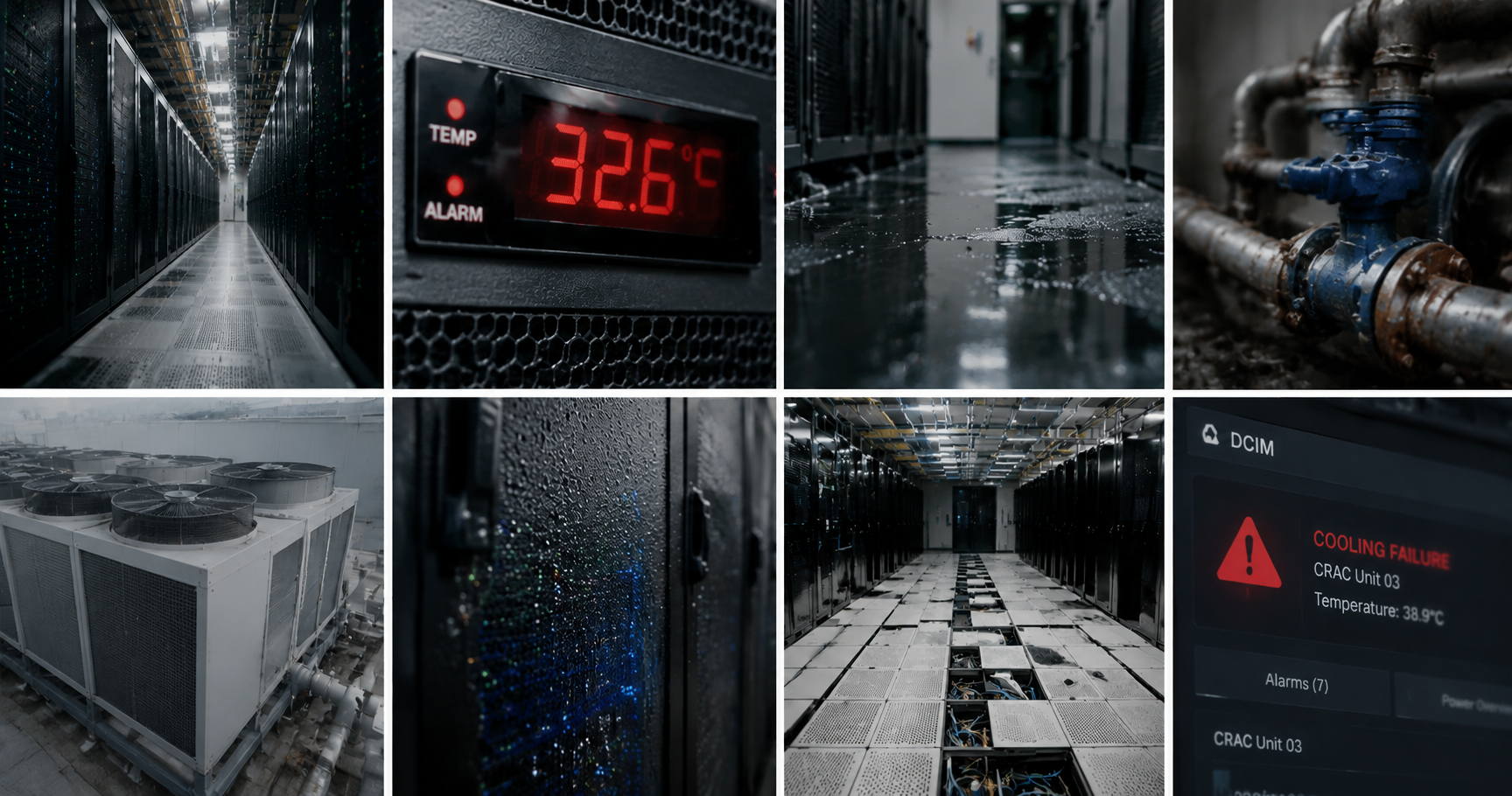
ਪਾਣੀ ਕੂਲਿੰਗ ਸਿਸਟਮ
ਪਾਣੀ ਦੀ ਕੂਲਿੰਗ ਡੇਟਾ ਸੈਂਟਰ ਥਰਮਲ ਪ੍ਰਬੰਧਨ ਲਈ ਇੱਕ ਸਾਬਤ, ਭਰੋਸੇਮੰਦ ਹੱਲ ਹੈ, ਖਾਸ ਤੌਰ 'ਤੇ ਰਵਾਇਤੀ ਅਤੇ ਮੱਧ-ਘਣਤਾ ਵਾਲੀਆਂ ਸਹੂਲਤਾਂ ਲਈ ਢੁਕਵਾਂ। ਇਹ ਪਹੁੰਚ ਆਈਟੀ ਉਪਕਰਣਾਂ ਤੋਂ ਕੂਲਿੰਗ ਟਾਵਰਾਂ ਜਾਂ ਚਿਲਰਾਂ ਵਿੱਚ ਗਰਮੀ ਟ੍ਰਾਂਸਫਰ ਕਰਨ ਲਈ ਪਾਣੀ-ਅਧਾਰਤ ਸੈਕੰਡਰੀ ਰੈਫ੍ਰਿਜਰੈਂਟਸ ਦੀ ਵਰਤੋਂ ਕਰਦੀ ਹੈ, ਜੋ ਸ਼ਾਨਦਾਰ ਕੁਸ਼ਲਤਾ ਅਤੇ ਲਾਗਤ-ਪ੍ਰਭਾਵ ਦੀ ਪੇਸ਼ਕਸ਼ ਕਰਦੀ ਹੈ।
ਡਾਟਾ ਸੈਂਟਰਾਂ ਵਿੱਚ ਅਰਜ਼ੀ:
ਵਾਟਰ ਕੂਲਿੰਗ ਸਿਸਟਮ ਠੰਢੇ ਪਾਣੀ ਦੇ ਲੂਪਾਂ, ਏਅਰ ਹੈਂਡਲਿੰਗ ਯੂਨਿਟਾਂ ਅਤੇ ਕੂਲਿੰਗ ਟਾਵਰਾਂ ਰਾਹੀਂ ਕੂਲੈਂਟ ਨੂੰ ਸੰਚਾਰਿਤ ਕਰਦੇ ਹਨ। ਕੂਲੈਂਟ ਸਰਵਰ ਰੈਕਾਂ ਤੋਂ ਗਰਮੀ ਨੂੰ ਸੋਖ ਲੈਂਦਾ ਹੈ ਅਤੇ ਇਸਨੂੰ ਬਾਹਰੀ ਵਾਤਾਵਰਣ ਵਿੱਚ ਟ੍ਰਾਂਸਫਰ ਕਰਦਾ ਹੈ। ਇਹ ਵਿਧੀ ਐਂਟਰਪ੍ਰਾਈਜ਼ ਡੇਟਾ ਸੈਂਟਰਾਂ, ਕੋਲੋਕੇਸ਼ਨ ਸਹੂਲਤਾਂ, ਅਤੇ ਹਰੇ ਡੇਟਾ ਸੈਂਟਰਾਂ ਵਿੱਚ ਵਿਆਪਕ ਤੌਰ 'ਤੇ ਵਰਤੀ ਜਾਂਦੀ ਹੈ ਜੋ PUE ਰੇਟਿੰਗਾਂ ਨੂੰ ਅਨੁਕੂਲ ਬਣਾਉਣ ਦੀ ਕੋਸ਼ਿਸ਼ ਕਰਦੇ ਹਨ।
● 20 ਕਿਲੋਵਾਟ/ਰੈਕ ਤੱਕ ਦੀ ਪਾਵਰ ਘਣਤਾ ਲਈ ਆਦਰਸ਼
● ਮੌਜੂਦਾ ਠੰਢੇ ਪਾਣੀ ਦੇ ਬੁਨਿਆਦੀ ਢਾਂਚੇ ਦੇ ਅਨੁਕੂਲ
● ਮੁਫ਼ਤ ਕੂਲਿੰਗ ਅਤੇ ਰਹਿੰਦ-ਖੂੰਹਦ ਗਰਮੀ ਰਿਕਵਰੀ ਦਾ ਸਮਰਥਨ ਕਰਦਾ ਹੈ
● 1.3-1.5 ਦੀਆਂ PUE ਰੇਟਿੰਗਾਂ ਨੂੰ ਸਮਰੱਥ ਬਣਾਉਂਦਾ ਹੈ।
25% ਈਥੀਲੀਨ ਗਲਾਈਕੋਲ ਸਮੱਗਰੀ
LM-4 ਇੱਕ ਪ੍ਰੀਮੀਅਮ ਈਥੀਲੀਨ ਗਲਾਈਕੋਲ-ਅਧਾਰਤ ਕੂਲੈਂਟ ਹੈ ਜੋ ਡੇਟਾ ਸੈਂਟਰਾਂ ਵਿੱਚ ਪਾਣੀ ਦੇ ਕੂਲਿੰਗ ਸਿਸਟਮ ਲਈ ਤਿਆਰ ਕੀਤਾ ਗਿਆ ਹੈ। ਇਸਦਾ ਫਾਰਮੂਲੇਸ਼ਨ ਸ਼ਾਨਦਾਰ ਗਰਮੀ ਟ੍ਰਾਂਸਫਰ ਕੁਸ਼ਲਤਾ ਅਤੇ ਠੰਢੇ ਪਾਣੀ ਦੇ ਲੂਪਾਂ ਲਈ ਫ੍ਰੀਜ਼ ਸੁਰੱਖਿਆ ਪ੍ਰਦਾਨ ਕਰਦਾ ਹੈ।
✅️ ਕੁਸ਼ਲ ਤਾਪ ਟ੍ਰਾਂਸਫਰ ਲਈ ਉੱਚ ਥਰਮਲ ਚਾਲਕਤਾ
✅️ -20°C ਤੱਕ ਸ਼ਾਨਦਾਰ ਫ੍ਰੀਜ਼ ਸੁਰੱਖਿਆ
✅️ ਖੋਰ ਰੋਕਣ ਵਾਲੇ ਸਿਸਟਮ ਦੇ ਹਿੱਸਿਆਂ ਦੀ ਰੱਖਿਆ ਕਰਦੇ ਹਨ।
✅️ ਤਾਂਬਾ, ਸਟੀਲ ਅਤੇ ਐਲੂਮੀਨੀਅਮ ਨਾਲ ਅਨੁਕੂਲ
✅️ ਬੰਦ-ਲੂਪ ਪ੍ਰਣਾਲੀਆਂ ਵਿੱਚ ਤਰਲ ਪਦਾਰਥਾਂ ਦੀ ਲੰਬੀ ਉਮਰ
| ਗਲਾਈਕੋਲ ਕਿਸਮ | ਈਥੀਲੀਨ ਗਲਾਈਕੋਲ |
|---|---|
| ਇਕਾਗਰਤਾ | 25% |
| ਫ੍ਰੀਜ਼ ਪੁਆਇੰਟ | -20°C |
| ਓਪਰੇਟਿੰਗ ਤਾਪਮਾਨ | -15°C ਤੋਂ 90°C |
| pH ਮੁੱਲ | 8.5-9.5 |
25% ਪ੍ਰੋਪੀਲੀਨ ਗਲਾਈਕੋਲ ਸਮੱਗਰੀ
LM-4ABG ਇੱਕ ਪ੍ਰੋਪੀਲੀਨ ਗਲਾਈਕੋਲ-ਅਧਾਰਤ ਕੂਲੈਂਟ ਹੈ ਜੋ LM-4 ਦੇ ਸਮਾਨ ਪ੍ਰਦਰਸ਼ਨ ਦੀ ਪੇਸ਼ਕਸ਼ ਕਰਦਾ ਹੈ ਜਿਸ ਵਿੱਚ ਵਧੀਆਂ ਵਾਤਾਵਰਣ ਅਤੇ ਸੁਰੱਖਿਆ ਵਿਸ਼ੇਸ਼ਤਾਵਾਂ ਹਨ। ਗੈਰ-ਜ਼ਹਿਰੀਲੇ ਫਾਰਮੂਲੇ ਨੂੰ ਤਰਜੀਹ ਦੇਣ ਵਾਲੇ ਡੇਟਾ ਸੈਂਟਰਾਂ ਲਈ ਆਦਰਸ਼।
✅️ ਗੈਰ-ਜ਼ਹਿਰੀਲਾ ਅਤੇ ਵਾਤਾਵਰਣ ਅਨੁਕੂਲ
✅️ ਸ਼ਾਨਦਾਰ ਤਾਪ ਤਬਾਦਲਾ ਗੁਣ
✅️ ਫੂਡ-ਗ੍ਰੇਡ ਪ੍ਰੋਪੀਲੀਨ ਗਲਾਈਕੋਲ ਫਾਰਮੂਲੇਸ਼ਨ
✅️ ਸਾਰੀਆਂ ਆਮ ਧਾਤਾਂ ਲਈ ਜੰਗਾਲ ਸੁਰੱਖਿਆ
✅️ ਪਾਣੀ ਠੰਢਾ ਕਰਨ ਵਾਲੇ ਬੁਨਿਆਦੀ ਢਾਂਚੇ ਦੇ ਅਨੁਕੂਲ
| ਗਲਾਈਕੋਲ ਕਿਸਮ | ਪ੍ਰੋਪੀਲੀਨ ਗਲਾਈਕੋਲ |
|---|---|
| ਇਕਾਗਰਤਾ | 25% |
| ਫ੍ਰੀਜ਼ ਪੁਆਇੰਟ | -18°C |
| ਓਪਰੇਟਿੰਗ ਤਾਪਮਾਨ | -15°C ਤੋਂ 90°C |
| pH ਮੁੱਲ | 8.5-9.5 |
ਵਾਟਰ ਕੂਲਿੰਗ ਸਿਸਟਮ ਫਲੋ ਡਾਇਗ੍ਰਾਮ
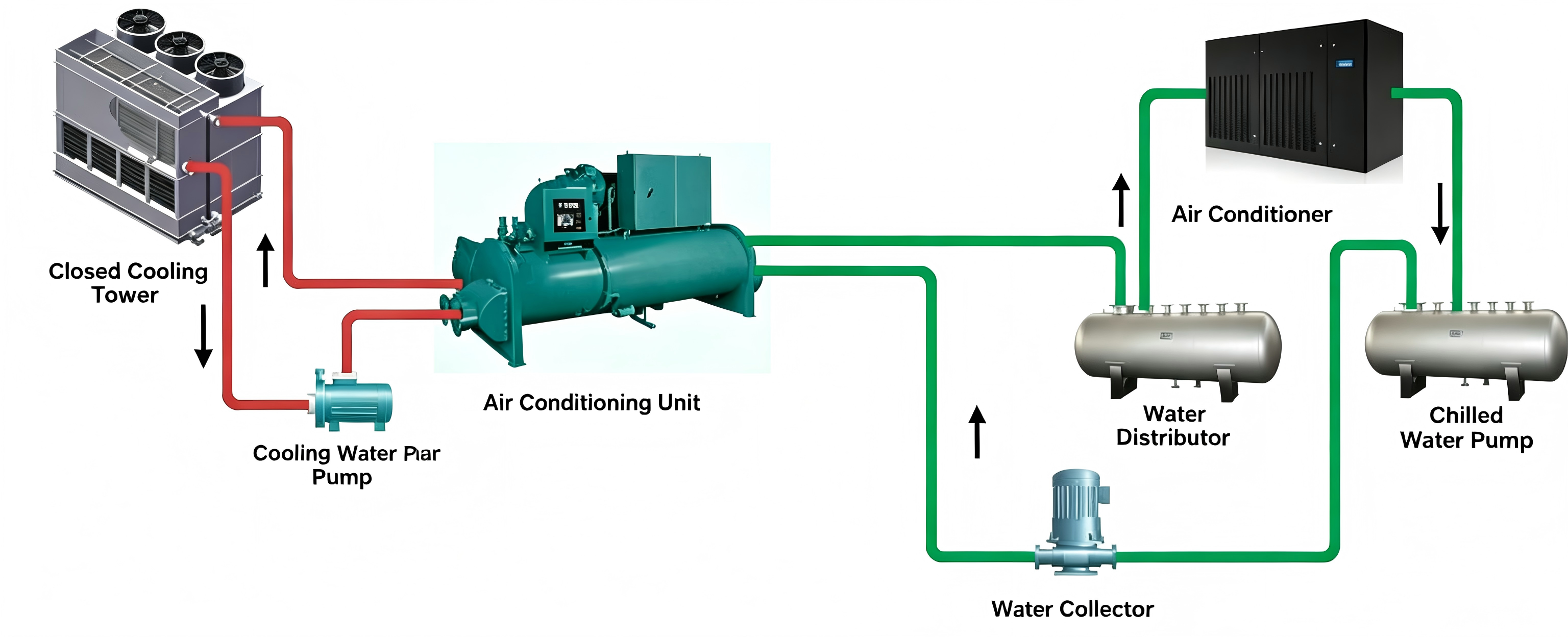
ਸਿਸਟਮ ਦੇ ਹਿੱਸੇ:ਕੂਲਿੰਗ ਟਾਵਰ → ਚਿਲਰ ਯੂਨਿਟ → ਪ੍ਰਾਇਮਰੀ ਪੰਪ → ਹੀਟ ਐਕਸਚੇਂਜਰ → ਸਰਵਰ ਰੈਕ → ਰਿਟਰਨ ਪੰਪ → ਕੂਲਿੰਗ ਟਾਵਰ
ਕੋਲਡ ਪਲੇਟ ਤਰਲ ਕੂਲਿੰਗ
ਕੋਲਡ ਪਲੇਟ ਲਿਕਵਿਡ ਕੂਲਿੰਗ ਡੇਟਾ ਸੈਂਟਰ ਥਰਮਲ ਮੈਨੇਜਮੈਂਟ ਵਿੱਚ ਅਗਲੇ ਵਿਕਾਸ ਨੂੰ ਦਰਸਾਉਂਦੀ ਹੈ, ਜੋ ਉੱਚ-ਪ੍ਰਦਰਸ਼ਨ ਵਾਲੇ ਹਿੱਸਿਆਂ ਤੋਂ ਕੂਲਿੰਗ ਯੂਨਿਟਾਂ ਤੱਕ ਸਿੱਧਾ ਗਰਮੀ ਪਹੁੰਚਾਉਂਦੀ ਹੈ। ਇਹ ਪਹੁੰਚ ਉੱਚ-ਘਣਤਾ ਵਾਲੇ ਕੰਪਿਊਟਿੰਗ ਵਾਤਾਵਰਣਾਂ ਲਈ ਜ਼ਰੂਰੀ ਹੈ ਜਿੱਥੇ ਰਵਾਇਤੀ ਏਅਰ ਕੂਲਿੰਗ ਆਪਣੀਆਂ ਸੀਮਾਵਾਂ ਤੱਕ ਪਹੁੰਚ ਜਾਂਦੀ ਹੈ।
ਡਾਟਾ ਸੈਂਟਰਾਂ ਵਿੱਚ ਅਰਜ਼ੀ:
ਕੋਲਡ ਪਲੇਟ ਕੂਲਿੰਗ ਸਿਸਟਮ CPUs, GPUs, ਅਤੇ ਹੋਰ ਗਰਮੀ ਪੈਦਾ ਕਰਨ ਵਾਲੇ ਹਿੱਸਿਆਂ ਨਾਲ ਸਿੱਧੇ ਜੁੜੀਆਂ ਕੋਲਡ ਪਲੇਟਾਂ ਰਾਹੀਂ ਕੂਲੈਂਟ ਨੂੰ ਸੰਚਾਰਿਤ ਕਰਦੇ ਹਨ। ਇਹ ਸਿੱਧਾ ਸੰਪਰਕ ਕੂਲਿੰਗ ਵਿਧੀ ਸਰੋਤ 'ਤੇ ਗਰਮੀ ਨੂੰ ਹਟਾਉਂਦੀ ਹੈ, ਉੱਚ ਪਾਵਰ ਘਣਤਾ ਅਤੇ ਬਿਹਤਰ ਥਰਮਲ ਪ੍ਰਦਰਸ਼ਨ ਨੂੰ ਸਮਰੱਥ ਬਣਾਉਂਦੀ ਹੈ। ਇਹ ਖਾਸ ਤੌਰ 'ਤੇ AI/ML ਵਰਕਲੋਡ, HPC ਕਲੱਸਟਰ ਅਤੇ ਹਾਈਪਰਸਕੇਲ ਸਹੂਲਤਾਂ ਲਈ ਪ੍ਰਭਾਵਸ਼ਾਲੀ ਹੈ।
● 50 kW/ਰੈਕ ਤੱਕ ਦੀ ਪਾਵਰ ਘਣਤਾ ਦਾ ਸਮਰਥਨ ਕਰਦਾ ਹੈ
● 1.3 ਤੋਂ ਘੱਟ PUE ਰੇਟਿੰਗਾਂ ਨੂੰ ਸਮਰੱਥ ਬਣਾਉਂਦਾ ਹੈ।
● GPU/TPU-ਅਧਾਰਿਤ AI ਸਿਖਲਾਈ ਪ੍ਰਣਾਲੀਆਂ ਲਈ ਆਦਰਸ਼
● ਪੱਖੇ ਦੇ ਸ਼ੋਰ ਨੂੰ ਘਟਾਉਂਦਾ ਹੈ ਅਤੇ ਧੁਨੀ ਵਾਤਾਵਰਣ ਨੂੰ ਬਿਹਤਰ ਬਣਾਉਂਦਾ ਹੈ।
● ਸਿੱਧੇ ਅਤੇ ਅਸਿੱਧੇ ਕੂਲਿੰਗ ਆਰਕੀਟੈਕਚਰ ਦੋਵਾਂ ਦੇ ਅਨੁਕੂਲ।
25% ਈਥੀਲੀਨ ਗਲਾਈਕੋਲ ਸਮੱਗਰੀ - ਵਧੀ ਹੋਈ
LM-4D ਖਾਸ ਤੌਰ 'ਤੇ ਕੋਲਡ ਪਲੇਟ ਤਰਲ ਕੂਲਿੰਗ ਐਪਲੀਕੇਸ਼ਨਾਂ ਲਈ ਤਿਆਰ ਕੀਤਾ ਗਿਆ ਹੈ, ਜੋ ਉੱਚ-ਘਣਤਾ ਵਾਲੇ ਕੰਪਿਊਟਿੰਗ ਵਾਤਾਵਰਣਾਂ ਵਿੱਚ ਕੁਸ਼ਲ ਗਰਮੀ ਟ੍ਰਾਂਸਫਰ ਨੂੰ ਯਕੀਨੀ ਬਣਾਉਣ ਲਈ ਉੱਤਮ ਥਰਮਲ ਚਾਲਕਤਾ ਅਤੇ ਘੱਟ ਲੇਸ ਪ੍ਰਦਾਨ ਕਰਦਾ ਹੈ।
✅️ ਕੋਲਡ ਪਲੇਟ ਕੂਲਿੰਗ ਸਿਸਟਮ ਲਈ ਅਨੁਕੂਲਿਤ
✅️ ਕੁਸ਼ਲ ਪੰਪਿੰਗ ਲਈ ਘੱਟ ਲੇਸਦਾਰਤਾ
✅️ ਉੱਚ ਥਰਮਲ ਚਾਲਕਤਾ (0.1364 W/m·K)
✅️ ਸ਼ਾਨਦਾਰ ਰਸਾਇਣਕ ਸਥਿਰਤਾ
✅️ ਤਰਲ ਪਦਾਰਥਾਂ ਦੀ ਵਧੀ ਹੋਈ ਉਮਰ (8-10 ਸਾਲ)
| ਗਲਾਈਕੋਲ ਕਿਸਮ | ਈਥੀਲੀਨ ਗਲਾਈਕੋਲ |
|---|---|
| ਇਕਾਗਰਤਾ | 25% |
| ਲੇਸ (20°C) | 10.40 ਸੀਪੀ |
| ਥਰਮਲ ਚਾਲਕਤਾ | 0.1364 ਵਾਟ/ਮੀਟਰ·ਕੇ |
| ਓਪਰੇਟਿੰਗ ਤਾਪਮਾਨ | -50°C ਤੋਂ 200°C |
25% ਈਥੀਲੀਨ ਗਲਾਈਕੋਲ ਸਮੱਗਰੀ - ਪੀਲਾ ਐਡੀਸ਼ਨ
LM-4D-YE, LM-4D ਵਰਗੀਆਂ ਹੀ ਉੱਚ-ਪ੍ਰਦਰਸ਼ਨ ਵਿਸ਼ੇਸ਼ਤਾਵਾਂ ਦੀ ਪੇਸ਼ਕਸ਼ ਕਰਦਾ ਹੈ, ਜਿਸ ਵਿੱਚ ਗੁੰਝਲਦਾਰ ਡੇਟਾ ਸੈਂਟਰ ਵਾਤਾਵਰਣਾਂ ਵਿੱਚ ਸਿਸਟਮ ਨਿਗਰਾਨੀ ਅਤੇ ਰੱਖ-ਰਖਾਅ ਟਰੈਕਿੰਗ ਲਈ ਵਧੀ ਹੋਈ ਵਿਜ਼ੂਅਲ ਪਛਾਣ ਸ਼ਾਮਲ ਹੈ।
✅️ ਤਰਲ ਪਦਾਰਥ ਦੀ ਆਸਾਨੀ ਨਾਲ ਪਛਾਣ ਲਈ ਪੀਲਾ ਰੰਗ
✅️ LM-4D ਵਾਂਗ ਹੀ ਥਰਮਲ ਪ੍ਰਦਰਸ਼ਨ
✅️ ਲੀਕ ਦਾ ਪਤਾ ਲਗਾਉਣ ਅਤੇ ਰੱਖ-ਰਖਾਅ ਦੀ ਸਹੂਲਤ ਦਿੰਦਾ ਹੈ
✅️ ਸਾਰੀਆਂ ਕੋਲਡ ਪਲੇਟ ਸਮੱਗਰੀਆਂ ਨਾਲ ਅਨੁਕੂਲ
✅️ ਲੰਬੇ ਸਮੇਂ ਦੀ ਭਰੋਸੇਯੋਗਤਾ ਲਈ ਖੋਰ ਰੋਕਣ ਵਾਲੇ
| ਗਲਾਈਕੋਲ ਕਿਸਮ | ਈਥੀਲੀਨ ਗਲਾਈਕੋਲ |
|---|---|
| ਇਕਾਗਰਤਾ | 25% |
| ਰੰਗ | ਪੀਲਾ |
| ਲੇਸ (20°C) | 10.40 ਸੀਪੀ |
| ਓਪਰੇਟਿੰਗ ਤਾਪਮਾਨ | -50°C ਤੋਂ 200°C |
25% ਪ੍ਰੋਪੀਲੀਨ ਗਲਾਈਕੋਲ ਸਮੱਗਰੀ
LM-4ABG ਕੋਲਡ ਪਲੇਟ ਤਰਲ ਕੂਲਿੰਗ ਐਪਲੀਕੇਸ਼ਨਾਂ ਲਈ ਵੀ ਢੁਕਵਾਂ ਹੈ, ਖਾਸ ਕਰਕੇ ਉਹਨਾਂ ਵਾਤਾਵਰਣਾਂ ਵਿੱਚ ਜਿੱਥੇ ਗੈਰ-ਜ਼ਹਿਰੀਲੇ ਫਾਰਮੂਲੇ ਦੀ ਲੋੜ ਹੁੰਦੀ ਹੈ। ਇਸਦਾ ਪ੍ਰੋਪੀਲੀਨ ਗਲਾਈਕੋਲ ਬੇਸ ਵਧੀਆਂ ਸੁਰੱਖਿਆ ਵਿਸ਼ੇਸ਼ਤਾਵਾਂ ਦੇ ਨਾਲ ਸ਼ਾਨਦਾਰ ਥਰਮਲ ਪ੍ਰਦਰਸ਼ਨ ਪ੍ਰਦਾਨ ਕਰਦਾ ਹੈ।
✅️ ਸੰਵੇਦਨਸ਼ੀਲ ਵਾਤਾਵਰਣ ਲਈ ਗੈਰ-ਜ਼ਹਿਰੀਲੇ ਫਾਰਮੂਲੇ
✅️ ਕੋਲਡ ਪਲੇਟ ਸਮੱਗਰੀਆਂ ਦੇ ਅਨੁਕੂਲ
✅️ ਸ਼ਾਨਦਾਰ ਗਰਮੀ ਟ੍ਰਾਂਸਫਰ ਕੁਸ਼ਲਤਾ
✅️ ਸਿਸਟਮ ਦੀ ਲੰਬੀ ਉਮਰ ਲਈ ਖੋਰ ਸੁਰੱਖਿਆ
✅️ ਵਾਤਾਵਰਣ ਅਨੁਕੂਲ
| ਗਲਾਈਕੋਲ ਕਿਸਮ | ਪ੍ਰੋਪੀਲੀਨ ਗਲਾਈਕੋਲ |
|---|---|
| ਇਕਾਗਰਤਾ | 25% |
| ਫ੍ਰੀਜ਼ ਪੁਆਇੰਟ | -18°C |
| ਓਪਰੇਟਿੰਗ ਤਾਪਮਾਨ | -15°C ਤੋਂ 90°C |
| pH ਮੁੱਲ | 8.5-9.5 |
ਕੋਲਡ ਪਲੇਟ ਤਰਲ ਕੂਲਿੰਗ ਸਿਸਟਮ ਫਲੋ ਡਾਇਗ੍ਰਾਮ
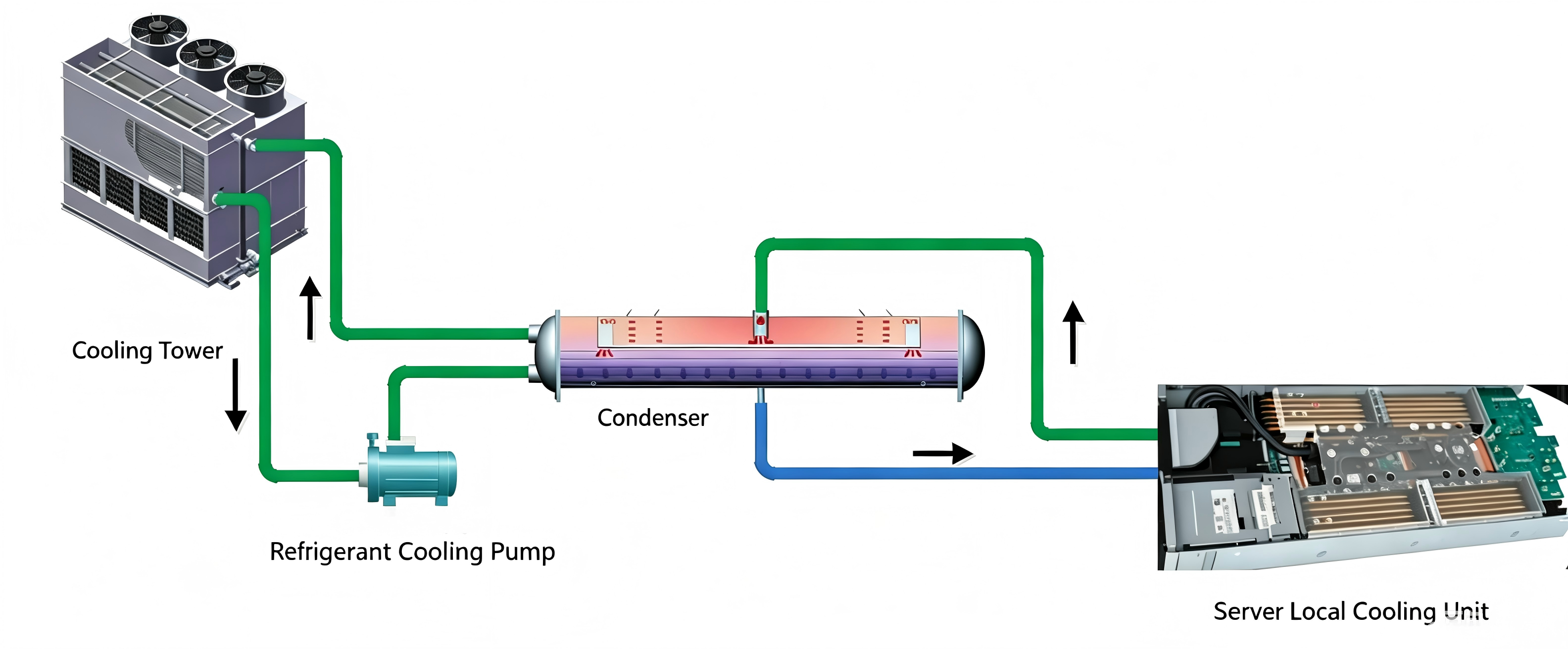
ਸਿਸਟਮ ਦੇ ਹਿੱਸੇ:ਚਿਲਰ ਯੂਨਿਟ → ਕੂਲੈਂਟ ਪੰਪ → ਕੋਲਡ ਪਲੇਟਾਂ (CPU/GPU) → ਹੀਟ ਐਕਸਚੇਂਜਰ → ਚਿਲਰ ਯੂਨਿਟ
ਇਮਰਸ਼ਨ ਕੂਲਿੰਗ
ਇਮਰਸ਼ਨ ਕੂਲਿੰਗ ਡੇਟਾ ਸੈਂਟਰ ਥਰਮਲ ਪ੍ਰਬੰਧਨ ਦੇ ਸਿਖਰ ਨੂੰ ਦਰਸਾਉਂਦਾ ਹੈ, ਜੋ ਕਿ ਆਈਟੀ ਉਪਕਰਣਾਂ ਨੂੰ ਸਿੱਧੇ ਵਿਸ਼ੇਸ਼ ਡਾਈਇਲੈਕਟ੍ਰਿਕ ਤਰਲ ਪਦਾਰਥਾਂ ਵਿੱਚ ਡੁਬੋ ਕੇ ਬੇਮਿਸਾਲ ਪਾਵਰ ਘਣਤਾ ਨੂੰ ਸਮਰੱਥ ਬਣਾਉਂਦਾ ਹੈ। ਗਲੇਸ਼ੀਅਰ ਕੂਲੈਂਟ ਦੇ ਇਮਰਸ਼ਨ ਕੂਲਿੰਗ ਹੱਲ ਸਭ ਤੋਂ ਵੱਧ ਮੰਗ ਵਾਲੇ ਕੰਪਿਊਟਿੰਗ ਵਾਤਾਵਰਣਾਂ ਲਈ ਉੱਤਮ ਗਰਮੀ ਟ੍ਰਾਂਸਫਰ ਕੁਸ਼ਲਤਾ ਅਤੇ ਬਿਜਲੀ ਸੁਰੱਖਿਆ ਪ੍ਰਦਾਨ ਕਰਦੇ ਹਨ।
ਡਾਟਾ ਸੈਂਟਰਾਂ ਵਿੱਚ ਅਰਜ਼ੀ
ਇਮਰਸ਼ਨ ਕੂਲਿੰਗ ਸਿਸਟਮ ਆਈਟੀ ਉਪਕਰਣਾਂ ਨੂੰ ਪੂਰੀ ਤਰ੍ਹਾਂ ਡਾਈਇਲੈਕਟ੍ਰਿਕ ਤਰਲ ਵਿੱਚ ਡੁਬੋ ਦਿੰਦੇ ਹਨ, ਜੋ ਕਿ CPU, GPU, ਮੈਮੋਰੀ ਮੋਡੀਊਲ ਅਤੇ ਸਟੋਰੇਜ ਡਿਵਾਈਸਾਂ ਸਮੇਤ ਸਾਰੇ ਹਿੱਸਿਆਂ ਤੋਂ ਗਰਮੀ ਨੂੰ ਸਿੱਧਾ ਸੋਖ ਲੈਂਦਾ ਹੈ। ਇਹ ਪਹੁੰਚ ਰਵਾਇਤੀ ਏਅਰ ਕੂਲਿੰਗ ਨੂੰ ਪੂਰੀ ਤਰ੍ਹਾਂ ਖਤਮ ਕਰ ਦਿੰਦੀ ਹੈ, ਊਰਜਾ ਕੁਸ਼ਲਤਾ ਵਿੱਚ ਨਾਟਕੀ ਢੰਗ ਨਾਲ ਸੁਧਾਰ ਕਰਦੀ ਹੈ ਅਤੇ 100 kW/ਰੈਕ ਤੋਂ ਵੱਧ ਪਾਵਰ ਘਣਤਾ ਨੂੰ ਸਮਰੱਥ ਬਣਾਉਂਦੀ ਹੈ। HPC ਕਲੱਸਟਰਾਂ, AI ਸਿਖਲਾਈ ਸਹੂਲਤਾਂ, ਅਤੇ ਅਤਿ-ਘੱਟ PUE ਰੇਟਿੰਗਾਂ ਲਈ ਟੀਚਾ ਰੱਖਣ ਵਾਲੇ ਅਗਲੀ ਪੀੜ੍ਹੀ ਦੇ ਡੇਟਾ ਸੈਂਟਰਾਂ ਲਈ ਆਦਰਸ਼।
● 100+ kW/ਰੈਕ ਤੱਕ ਪਾਵਰ ਘਣਤਾ ਦਾ ਸਮਰਥਨ ਕਰਦਾ ਹੈ
● 1.1-1.2 ਦੀਆਂ PUE ਰੇਟਿੰਗਾਂ ਨੂੰ ਸਮਰੱਥ ਬਣਾਉਂਦਾ ਹੈ।
● ਏਅਰ ਕੰਡੀਸ਼ਨਿੰਗ ਬੁਨਿਆਦੀ ਢਾਂਚੇ ਦੀ ਲੋੜ ਨੂੰ ਖਤਮ ਕਰਦਾ ਹੈ
● ਜ਼ਿਲ੍ਹਾ ਹੀਟਿੰਗ ਲਈ ਕੁਸ਼ਲ ਰਹਿੰਦ-ਖੂੰਹਦ ਦੀ ਗਰਮੀ ਦੀ ਰਿਕਵਰੀ ਨੂੰ ਸਮਰੱਥ ਬਣਾਉਂਦਾ ਹੈ।
● ਚੁੱਪ ਕਾਰਵਾਈ - ਕਿਸੇ ਪੱਖੇ ਜਾਂ ਏਅਰ ਹੈਂਡਲਰ ਦੀ ਲੋੜ ਨਹੀਂ ਹੈ।
● ਇਕਸਾਰ ਕੂਲਿੰਗ ਰਾਹੀਂ ਉਪਕਰਣਾਂ ਦੀ ਉਮਰ ਵਧਾਉਂਦਾ ਹੈ
ਡਾਈਇਲੈਕਟ੍ਰਿਕ ਇਮਰਸ਼ਨ ਕੂਲੈਂਟ
LM-14C ਇੱਕ ਵਿਸ਼ੇਸ਼ ਡਾਈਇਲੈਕਟ੍ਰਿਕ ਕੂਲੈਂਟ ਹੈ ਜੋ ਸਿੰਗਲ-ਫੇਜ਼ ਇਮਰਸ਼ਨ ਕੂਲਿੰਗ ਐਪਲੀਕੇਸ਼ਨਾਂ ਲਈ ਤਿਆਰ ਕੀਤਾ ਗਿਆ ਹੈ। ਇਸਦਾ ਫਾਰਮੂਲੇਸ਼ਨ ਡੁੱਬੇ ਹੋਏ ਇਲੈਕਟ੍ਰਾਨਿਕਸ ਨਾਲ ਸੁਰੱਖਿਅਤ ਸੰਚਾਲਨ ਲਈ ਇਲੈਕਟ੍ਰੀਕਲ ਇਨਸੂਲੇਸ਼ਨ ਨੂੰ ਬਣਾਈ ਰੱਖਦੇ ਹੋਏ ਸ਼ਾਨਦਾਰ ਥਰਮਲ ਵਿਸ਼ੇਸ਼ਤਾਵਾਂ ਪ੍ਰਦਾਨ ਕਰਦਾ ਹੈ।
✅️ ਡਾਈਇਲੈਕਟ੍ਰਿਕ ਤਾਕਤ > 25 kV/mm
✅️ ਕੁਦਰਤੀ ਸੰਵਹਿਣ ਲਈ ਘੱਟ ਲੇਸਦਾਰਤਾ
✅️ ਕੁਸ਼ਲ ਤਾਪ ਟ੍ਰਾਂਸਫਰ ਲਈ ਉੱਚ ਥਰਮਲ ਚਾਲਕਤਾ
✅️ ਰਸਾਇਣਕ ਤੌਰ 'ਤੇ ਸਥਿਰ ਅਤੇ ਗੈਰ-ਖੋਰੀ ਵਾਲਾ ਫਾਰਮੂਲੇਸ਼ਨ
✅️ ਸਾਰੇ ਇਲੈਕਟ੍ਰਾਨਿਕ ਹਿੱਸਿਆਂ ਦੇ ਅਨੁਕੂਲ
| ਦੀ ਕਿਸਮ | ਡਾਈਇਲੈਕਟ੍ਰਿਕ ਕੂਲੈਂਟ |
|---|---|
| ਡਾਈਇਲੈਕਟ੍ਰਿਕ ਤਾਕਤ | > 25 ਕੇਵੀ/ਮਿਲੀਮੀਟਰ |
| ਲੇਸ (20°C) | 10.40 ਸੀਪੀ |
| ਓਪਰੇਟਿੰਗ ਤਾਪਮਾਨ | -50°C ਤੋਂ 200°C |
| ਫਲੈਸ਼ ਬਿੰਦੂ | > 200°C |
ਸੋਧਿਆ ਹੋਇਆ ਪੋਲੀਸਿਲੋਕਸਨ ਇਮਰਸ਼ਨ ਕੂਲੈਂਟ
LM-15B ਇੱਕ ਸੋਧਿਆ ਹੋਇਆ ਪੋਲੀਸਿਲੌਕਸੇਨ-ਅਧਾਰਤ ਕੂਲੈਂਟ ਹੈ ਜੋ ਇਮਰਸ਼ਨ ਕੂਲਿੰਗ ਸਿਸਟਮ ਲਈ ਤਿਆਰ ਕੀਤਾ ਗਿਆ ਹੈ। ਇਸਦਾ ਵਿਲੱਖਣ ਫਾਰਮੂਲੇਸ਼ਨ ਸ਼ਾਨਦਾਰ ਡਾਈਇਲੈਕਟ੍ਰਿਕ ਗੁਣ, ਥਰਮਲ ਸਥਿਰਤਾ, ਅਤੇ ਮੰਗ ਵਾਲੇ ਇਮਰਸ਼ਨ ਵਾਤਾਵਰਣਾਂ ਵਿੱਚ ਲੰਬੇ ਸਮੇਂ ਦੀ ਭਰੋਸੇਯੋਗਤਾ ਪ੍ਰਦਾਨ ਕਰਦਾ ਹੈ।
✅️ ਬਿਹਤਰ ਪ੍ਰਦਰਸ਼ਨ ਲਈ ਸੋਧੀ ਹੋਈ ਪੋਲੀਸਿਲੌਕਸੇਨ ਰਚਨਾ
✅️ ਸ਼ਾਨਦਾਰ ਡਾਈਇਲੈਕਟ੍ਰਿਕ ਗੁਣ (>25 kV/mm)
✅️ ਵਿਆਪਕ ਤਾਪਮਾਨ ਸੀਮਾ ਵਿੱਚ ਉੱਚ ਥਰਮਲ ਸਥਿਰਤਾ
✅️ ਘੱਟ ਅਸਥਿਰਤਾ ਅਤੇ ਘੱਟੋ-ਘੱਟ ਤਰਲ ਪਦਾਰਥਾਂ ਦਾ ਨੁਕਸਾਨ
✅️ ਤਰਲ ਪਦਾਰਥਾਂ ਦੀ ਵਧੀ ਹੋਈ ਉਮਰ (10+ ਸਾਲ)
✅️ ਸ਼ਾਨਦਾਰ ਹਾਈਡ੍ਰੋਫੋਬਿਸਿਟੀ ਅਤੇ ਫੈਲਾਅ
| ਰਚਨਾ | ਸੋਧਿਆ ਹੋਇਆ ਪੋਲੀਸਿਲੋਕਸਨ |
|---|---|
| ਡਾਈਇਲੈਕਟ੍ਰਿਕ ਤਾਕਤ | > 25 ਕੇਵੀ/ਮਿਲੀਮੀਟਰ |
| ਘਣਤਾ (20°C) | 0.942 ਗ੍ਰਾਮ/ਸੈ.ਮੀ.³ |
| ਲੇਸ (20°C) | 10.40 ਸੀਪੀ |
| ਥਰਮਲ ਚਾਲਕਤਾ | 0.1364 ਵਾਟ/ਮੀਟਰ·ਕੇ |
| ਖਾਸ ਗਰਮੀ | 1.7040 ਕਿਲੋਜੂਲ/ਕਿਲੋਗ੍ਰਾਮ·ਕਿਲੋਵਾਟ |
| ਓਪਰੇਟਿੰਗ ਤਾਪਮਾਨ | -50°C ਤੋਂ 200°C |
| ਫਲੈਸ਼ ਬਿੰਦੂ | > 200°C |
| ਸ਼ੈਲਫ ਲਾਈਫ | 30-60 ਮਹੀਨੇ |
ਐਲਐਮ-14
ਡਾਈਇਲੈਕਟ੍ਰਿਕ ਇਮਰਸ਼ਨ ਕੂਲਿੰਗ ਫਲੂਇਡ
LM-14 ਇੱਕ ਵਿਸ਼ੇਸ਼ ਡਾਈਇਲੈਕਟ੍ਰਿਕ ਕੂਲੈਂਟ ਹੈ ਜੋ ਡੇਟਾ ਸੈਂਟਰਾਂ ਵਿੱਚ ਇਮਰਸ਼ਨ ਕੂਲਿੰਗ ਐਪਲੀਕੇਸ਼ਨਾਂ ਲਈ ਤਿਆਰ ਕੀਤਾ ਗਿਆ ਹੈ, ਜੋ ਡੁੱਬੇ ਹੋਏ ਇਲੈਕਟ੍ਰਾਨਿਕਸ ਨਾਲ ਸੁਰੱਖਿਅਤ ਸੰਚਾਲਨ ਲਈ ਇਲੈਕਟ੍ਰੀਕਲ ਇਨਸੂਲੇਸ਼ਨ ਨੂੰ ਬਣਾਈ ਰੱਖਦੇ ਹੋਏ ਸ਼ਾਨਦਾਰ ਥਰਮਲ ਵਿਸ਼ੇਸ਼ਤਾਵਾਂ ਪ੍ਰਦਾਨ ਕਰਦਾ ਹੈ।
✅️ ਬਿਜਲੀ ਸੁਰੱਖਿਆ ਲਈ ਸ਼ਾਨਦਾਰ ਡਾਈਇਲੈਕਟ੍ਰਿਕ ਗੁਣ
✅️ ਤਾਪਮਾਨ ਸੀਮਾ: -110°C ਤੋਂ 135°C
✅️ ਜ਼ੀਰੋ ਫਲੈਸ਼ ਪੁਆਇੰਟ ਦੇ ਨਾਲ ਜਲਣਸ਼ੀਲ ਨਹੀਂ
✅️ ਕੁਸ਼ਲ ਤਾਪ ਟ੍ਰਾਂਸਫਰ ਲਈ ਘੱਟ ਲੇਸਦਾਰਤਾ
✅️ ਧਾਤਾਂ ਅਤੇ ਪਲਾਸਟਿਕ ਦੇ ਅਨੁਕੂਲ
| ਤਾਪਮਾਨ ਸੀਮਾ | -110°C ~ 135°C |
|---|---|
| ਰਚਨਾ | ਡਾਈਇਲੈਕਟ੍ਰਿਕ ਤਰਲ |
| ਮੁੱਖ ਵਿਸ਼ੇਸ਼ਤਾ | ਇਮਰਸ਼ਨ ਕੂਲਿੰਗ |
| ਐਪਲੀਕੇਸ਼ਨਾਂ | ਡਾਟਾ ਸੈਂਟਰ ਇਮਰਸ਼ਨ ਕੂਲਿੰਗ |
ਉੱਚ-ਪ੍ਰਦਰਸ਼ਨ ਇਮਰਸ਼ਨ ਕੂਲੈਂਟ
LM-17 ਇੱਕ ਉੱਚ-ਪ੍ਰਦਰਸ਼ਨ ਵਾਲਾ ਇਮਰਸ਼ਨ ਕੂਲਿੰਗ ਤਰਲ ਹੈ ਜੋ ਉੱਨਤ ਡੇਟਾ ਸੈਂਟਰ ਕੂਲਿੰਗ ਐਪਲੀਕੇਸ਼ਨਾਂ ਲਈ ਤਿਆਰ ਕੀਤਾ ਗਿਆ ਹੈ, ਜੋ ਅਗਲੀ ਪੀੜ੍ਹੀ ਦੇ ਕੰਪਿਊਟਿੰਗ ਸਿਸਟਮਾਂ ਲਈ ਉੱਤਮ ਥਰਮਲ ਚਾਲਕਤਾ ਅਤੇ ਸਥਿਰਤਾ ਦੀ ਪੇਸ਼ਕਸ਼ ਕਰਦਾ ਹੈ।
✅️ ਤਾਪਮਾਨ ਸੀਮਾ: -50°C ਤੋਂ 200°C
✅️ ਉੱਚ ਥਰਮਲ ਚਾਲਕਤਾ
✅️ ਸ਼ਾਨਦਾਰ ਥਰਮਲ ਸਥਿਰਤਾ
✅️ ਕੁਸ਼ਲ ਪੰਪਿੰਗ ਲਈ ਘੱਟ ਲੇਸਦਾਰਤਾ
✅️ ਲੰਬੀ ਸੇਵਾ ਜੀਵਨ
| ਤਾਪਮਾਨ ਸੀਮਾ | -50°C ~ 200°C |
|---|---|
| ਰਚਨਾ | ਉੱਚ-ਪ੍ਰਦਰਸ਼ਨ ਵਾਲਾ ਤਰਲ |
| ਮੁੱਖ ਵਿਸ਼ੇਸ਼ਤਾ | ਐਡਵਾਂਸਡ ਕੂਲਿੰਗ |
| ਐਪਲੀਕੇਸ਼ਨਾਂ | ਉੱਚ-ਪ੍ਰਦਰਸ਼ਨ ਵਾਲੀ ਕੰਪਿਊਟਿੰਗ |
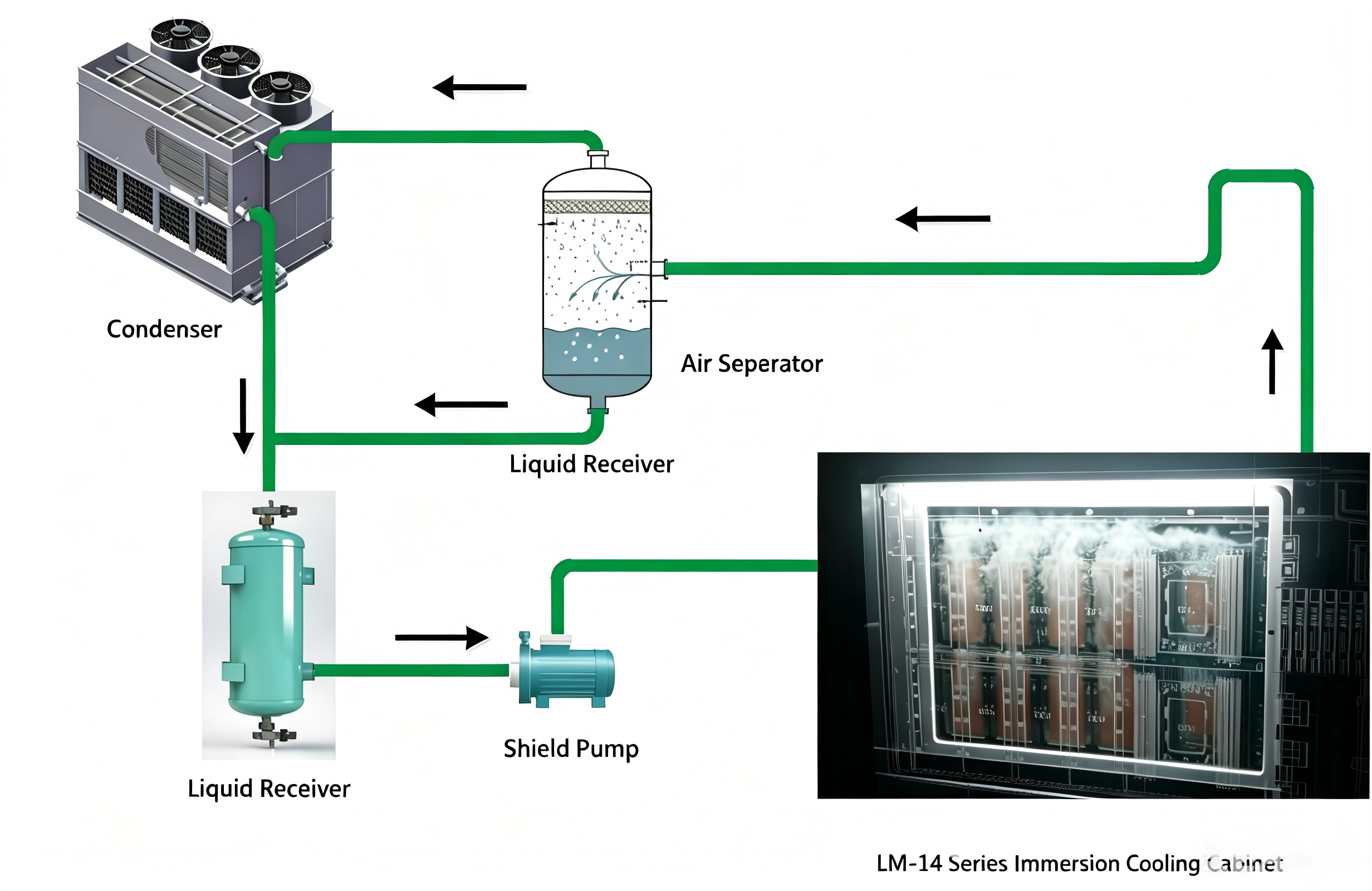
ਉਤਪਾਦ ਐਪਲੀਕੇਸ਼ਨ ਗਾਈਡ
ਤੁਹਾਡੇ ਡੇਟਾ ਸੈਂਟਰ ਦੀਆਂ ਜ਼ਰੂਰਤਾਂ ਲਈ ਅਨੁਕੂਲ ਕੂਲਿੰਗ ਹੱਲ ਚੁਣਨ ਅਤੇ ਲਾਗੂ ਕਰਨ ਬਾਰੇ ਵਿਆਪਕ ਮਾਰਗਦਰਸ਼ਨ
ਪਾਣੀ ਠੰਢਾ ਕਰਨ ਦਾ ਅਮਲ
ਰਵਾਇਤੀ ਠੰਢੇ ਪਾਣੀ ਦੇ ਸਿਸਟਮ
ਵਾਟਰ ਕੂਲਿੰਗ ਸਿਸਟਮ ਐਂਟਰਪ੍ਰਾਈਜ਼ ਡੇਟਾ ਸੈਂਟਰ ਥਰਮਲ ਪ੍ਰਬੰਧਨ ਦੀ ਰੀੜ੍ਹ ਦੀ ਹੱਡੀ ਬਣੇ ਹੋਏ ਹਨ, ਜੋ ਮੱਧ-ਘਣਤਾ ਵਾਲੀਆਂ ਸਹੂਲਤਾਂ ਲਈ ਸਾਬਤ ਭਰੋਸੇਯੋਗਤਾ ਅਤੇ ਲਾਗਤ-ਪ੍ਰਭਾਵਸ਼ੀਲਤਾ ਦੀ ਪੇਸ਼ਕਸ਼ ਕਰਦੇ ਹਨ।
ਵਧੀਆ ਅਭਿਆਸ:
✅️ ਠੰਢ ਤੋਂ ਬਚਾਅ ਲਈ ਗਲਾਈਕੋਲ ਦੀ ਮਾਤਰਾ 25% 'ਤੇ ਬਣਾਈ ਰੱਖੋ (-18°C ਤੋਂ -20°C)
✅️ ਖੋਰ ਨੂੰ ਰੋਕਣ ਅਤੇ ਸਿਸਟਮ ਦੀ ਲੰਬੀ ਉਮਰ ਨੂੰ ਯਕੀਨੀ ਬਣਾਉਣ ਲਈ pH ਪੱਧਰ (8.5-9.5) ਦੀ ਨਿਗਰਾਨੀ ਕਰੋ।
✅️ ਡਿਗ੍ਰੇਡੇਸ਼ਨ ਦਾ ਪਤਾ ਲਗਾਉਣ ਲਈ ਹਰ 6-12 ਮਹੀਨਿਆਂ ਬਾਅਦ ਨਿਯਮਤ ਤਰਲ ਵਿਸ਼ਲੇਸ਼ਣ ਲਾਗੂ ਕਰੋ
✅️ ਤਾਂਬਾ, ਸਟੀਲ ਅਤੇ ਐਲੂਮੀਨੀਅਮ ਦੇ ਹਿੱਸਿਆਂ ਦੇ ਅਨੁਕੂਲ ਖੋਰ ਰੋਕਣ ਵਾਲਿਆਂ ਦੀ ਵਰਤੋਂ ਕਰੋ।
✅️ ਪੱਧਰੀਕਰਨ ਅਤੇ ਗਰਮ ਥਾਵਾਂ ਨੂੰ ਰੋਕਣ ਲਈ ਸਹੀ ਸਰਕੂਲੇਸ਼ਨ ਯਕੀਨੀ ਬਣਾਓ।
ਸਿਸਟਮ ਜ਼ਰੂਰਤਾਂ:
✅️ ਮੌਜੂਦਾ ਠੰਢੇ ਪਾਣੀ ਦੇ ਬੁਨਿਆਦੀ ਢਾਂਚੇ ਦੇ ਅਨੁਕੂਲ
✅️ ਢੁਕਵੇਂ ਮੌਸਮ ਵਿੱਚ ਮੁਫ਼ਤ ਕੂਲਿੰਗ ਰਣਨੀਤੀਆਂ ਦਾ ਸਮਰਥਨ ਕਰਦਾ ਹੈ।
✅️ ਸਮੇਂ-ਸਮੇਂ 'ਤੇ ਪਾਣੀ ਦੀ ਸਫਾਈ ਅਤੇ ਫਿਲਟਰੇਸ਼ਨ ਦੀ ਲੋੜ ਹੁੰਦੀ ਹੈ
✅️ 20 ਕਿਲੋਵਾਟ/ਰੈਕ ਤੱਕ ਦੀ ਪਾਵਰ ਘਣਤਾ ਵਾਲੀਆਂ ਸਹੂਲਤਾਂ ਲਈ ਆਦਰਸ਼
ਰੱਖ-ਰਖਾਅ ਦਾ ਸਮਾਂ-ਸਾਰਣੀ:
| ਰੋਜ਼ਾਨਾ | ਲੀਕ ਲਈ ਵਿਜ਼ੂਅਲ ਨਿਰੀਖਣ, ਦਬਾਅ ਗੇਜਾਂ ਦੀ ਨਿਗਰਾਨੀ ਕਰੋ |
|---|---|
| ਮਹੀਨੇਵਾਰ | ਗਲਾਈਕੋਲ ਗਾੜ੍ਹਾਪਣ, pH ਪੱਧਰ, ਅਤੇ ਤਾਪਮਾਨ ਰੀਡਿੰਗ ਦੀ ਜਾਂਚ ਕਰੋ। |
| ਤਿਮਾਹੀ | ਪੂਰਾ ਸਿਸਟਮ ਫਲੱਸ਼, ਫਿਲਟਰ ਬਦਲਣਾ, ਖੋਰ ਰੋਕਣ ਵਾਲਾ ਵਿਸ਼ਲੇਸ਼ਣ |
| ਸਾਲਾਨਾ | ਪੂਰੀ ਤਰਲ ਤਬਦੀਲੀ (ਬੰਦ-ਲੂਪ ਪ੍ਰਣਾਲੀਆਂ ਵਿੱਚ 8-10 ਸਾਲ ਦੀ ਉਮਰ) |
ਕੋਲਡ ਪਲੇਟ ਕੂਲਿੰਗ ਲਾਗੂਕਰਨ
ਸਿੱਧਾ ਸੰਪਰਕ ਤਰਲ ਕੂਲਿੰਗ
ਕੋਲਡ ਪਲੇਟ ਲਿਕਵਿਡ ਕੂਲਿੰਗ ਥਰਮਲ ਮੈਨੇਜਮੈਂਟ ਵਿੱਚ ਅਗਲੇ ਵਿਕਾਸ ਨੂੰ ਦਰਸਾਉਂਦੀ ਹੈ, ਜੋ ਕਿ ਬੇਮਿਸਾਲ ਕੁਸ਼ਲਤਾ ਨਾਲ ਉੱਚ-ਪ੍ਰਦਰਸ਼ਨ ਵਾਲੇ ਹਿੱਸਿਆਂ ਤੋਂ ਕੂਲਿੰਗ ਯੂਨਿਟਾਂ ਤੱਕ ਸਿੱਧਾ ਗਰਮੀ ਪਹੁੰਚਾਉਂਦੀ ਹੈ।
ਵਧੀਆ ਅਭਿਆਸ:
✅️ ਕੁਸ਼ਲ ਪੰਪਿੰਗ ਅਤੇ ਗਰਮੀ ਦੇ ਤਬਾਦਲੇ ਲਈ ਘੱਟ-ਲੇਸਦਾਰ ਤਰਲ (20°C 'ਤੇ 10-12 cP) ਦੀ ਚੋਣ ਕਰੋ।
✅️ ਅਨੁਕੂਲ ਪ੍ਰਦਰਸ਼ਨ ਲਈ ਉੱਚ ਥਰਮਲ ਚਾਲਕਤਾ (>0.13 W/m·K) ਯਕੀਨੀ ਬਣਾਓ।
✅️ ਸਮੱਸਿਆ ਦੀ ਜਲਦੀ ਪਛਾਣ ਲਈ ਲੀਕ ਖੋਜ ਪ੍ਰਣਾਲੀਆਂ ਲਾਗੂ ਕਰੋ
✅️ ਆਸਾਨ ਵਿਜ਼ੂਅਲ ਨਿਗਰਾਨੀ ਲਈ ਰੰਗ-ਕੋਡ ਵਾਲੇ ਤਰਲ ਪਦਾਰਥ (LM-4D-YE) ਦੀ ਵਰਤੋਂ ਕਰੋ।
✅️ ਹਿੱਸਿਆਂ ਦੀ ਥਰਮਲ ਥ੍ਰੋਟਲਿੰਗ ਨੂੰ ਰੋਕਣ ਲਈ ਸਹੀ ਪ੍ਰਵਾਹ ਦਰਾਂ ਬਣਾਈ ਰੱਖੋ।
ਸਿਸਟਮ ਜ਼ਰੂਰਤਾਂ:
✅️ ਕੋਲਡ ਪਲੇਟ ਸਮੱਗਰੀ (ਤਾਂਬਾ, ਐਲੂਮੀਨੀਅਮ, ਨਿੱਕਲ-ਪਲੇਟੇਡ ਸਤਹਾਂ) ਦੇ ਅਨੁਕੂਲ।
✅️ ਸ਼ੁੱਧਤਾ ਪ੍ਰਵਾਹ ਨਿਯੰਤਰਣ ਅਤੇ ਤਾਪਮਾਨ ਨਿਗਰਾਨੀ ਦੀ ਲੋੜ ਹੈ
✅️ GPU/TPU-ਅਧਾਰਿਤ AI ਸਿਖਲਾਈ ਪ੍ਰਣਾਲੀਆਂ ਅਤੇ HPC ਕਲੱਸਟਰਾਂ ਲਈ ਆਦਰਸ਼
✅️ 50 kW/ਰੈਕ ਤੱਕ ਪਾਵਰ ਘਣਤਾ ਦਾ ਸਮਰਥਨ ਕਰਦਾ ਹੈ
ਰੱਖ-ਰਖਾਅ ਦਾ ਸਮਾਂ-ਸਾਰਣੀ:
| ਰੋਜ਼ਾਨਾ | ਪ੍ਰਵਾਹ ਦਰਾਂ, ਦਬਾਅ ਦੇ ਅੰਤਰ, ਅਤੇ ਭਾਗਾਂ ਦੇ ਤਾਪਮਾਨਾਂ ਦੀ ਨਿਗਰਾਨੀ ਕਰੋ |
|---|---|
| ਹਫ਼ਤਾਵਾਰੀ | ਲੀਕ ਦੀ ਜਾਂਚ ਕਰੋ, ਪੰਪ ਦੇ ਸੰਚਾਲਨ ਦੀ ਪੁਸ਼ਟੀ ਕਰੋ, ਕੋਲਡ ਪਲੇਟ ਕਨੈਕਸ਼ਨਾਂ ਦੀ ਜਾਂਚ ਕਰੋ। |
| ਮਹੀਨੇਵਾਰ | ਤਰਲ ਸਥਿਤੀ ਦਾ ਵਿਸ਼ਲੇਸ਼ਣ ਕਰੋ, ਕਣਾਂ ਦੇ ਦੂਸ਼ਣ ਦੀ ਜਾਂਚ ਕਰੋ |
| ਤਿਮਾਹੀ | ਪੂਰਾ ਸਿਸਟਮ ਨਿਰੀਖਣ, ਤਰਲ ਗੁਣਵੱਤਾ ਵਿਸ਼ਲੇਸ਼ਣ, ਪ੍ਰਦਰਸ਼ਨ ਤਸਦੀਕ |
ਇਮਰਸ਼ਨ ਕੂਲਿੰਗ ਲਾਗੂਕਰਨ
ਡਾਈਇਲੈਕਟ੍ਰਿਕ ਤਰਲ ਡੁੱਬਣ
ਇਮਰਸ਼ਨ ਕੂਲਿੰਗ ਡੇਟਾ ਸੈਂਟਰ ਥਰਮਲ ਪ੍ਰਬੰਧਨ ਦੇ ਸਿਖਰ ਨੂੰ ਦਰਸਾਉਂਦਾ ਹੈ, ਜੋ ਕਿ ਆਈਟੀ ਉਪਕਰਣਾਂ ਨੂੰ ਸਿੱਧੇ ਵਿਸ਼ੇਸ਼ ਡਾਈਇਲੈਕਟ੍ਰਿਕ ਤਰਲ ਪਦਾਰਥਾਂ ਵਿੱਚ ਡੁਬੋ ਕੇ ਬੇਮਿਸਾਲ ਪਾਵਰ ਘਣਤਾ ਨੂੰ ਸਮਰੱਥ ਬਣਾਉਂਦਾ ਹੈ।
ਵਧੀਆ ਅਭਿਆਸ:
✅️ ਬਿਜਲੀ ਸੁਰੱਖਿਆ ਲਈ 25 kV/mm ਤੋਂ ਵੱਧ ਡਾਈਇਲੈਕਟ੍ਰਿਕ ਤਾਕਤ ਯਕੀਨੀ ਬਣਾਓ।
✅️ ਕੰਪੋਨੈਂਟ ਡਿਗ੍ਰੇਡੇਸ਼ਨ ਨੂੰ ਰੋਕਣ ਲਈ ਤਰਲ ਪਦਾਰਥਾਂ ਦੀ ਸ਼ੁੱਧਤਾ ਬਣਾਈ ਰੱਖੋ
✅️ ਕਣਾਂ ਦੀ ਗੰਦਗੀ ਨੂੰ ਦੂਰ ਕਰਨ ਲਈ ਨਿਰੰਤਰ ਫਿਲਟਰੇਸ਼ਨ ਲਾਗੂ ਕਰੋ
✅️ ਟੈਂਕ ਵਿੱਚ ਤਰਲ ਪੱਧਰ ਅਤੇ ਤਾਪਮਾਨ ਵੰਡ ਦੀ ਨਿਗਰਾਨੀ ਕਰੋ
✅️ ਅਨੁਕੂਲ ਟੈਂਕ ਸਮੱਗਰੀ (ਸਟੇਨਲੈਸ ਸਟੀਲ, ਵਿਸ਼ੇਸ਼ ਪੋਲੀਮਰ) ਦੀ ਵਰਤੋਂ ਕਰੋ।
ਸਿਸਟਮ ਜ਼ਰੂਰਤਾਂ:
✅️ ਵਿਸ਼ੇਸ਼ ਇਮਰਸ਼ਨ ਟੈਂਕ ਬੁਨਿਆਦੀ ਢਾਂਚੇ ਦੀ ਲੋੜ ਹੈ
✅️ ਰਵਾਇਤੀ ਏਅਰ ਕੰਡੀਸ਼ਨਿੰਗ ਪ੍ਰਣਾਲੀਆਂ ਦੀ ਲੋੜ ਨੂੰ ਖਤਮ ਕਰਦਾ ਹੈ
✅️ ਬਹੁਤ ਜ਼ਿਆਦਾ ਘਣਤਾ ਵਾਲੇ ਐਪਲੀਕੇਸ਼ਨਾਂ ਲਈ ਆਦਰਸ਼ (100+ kW/ਰੈਕ)
✅️ ਅਤਿ-ਘੱਟ PUE ਰੇਟਿੰਗਾਂ (1.1-1.2) ਨੂੰ ਸਮਰੱਥ ਬਣਾਉਂਦਾ ਹੈ।
ਰੱਖ-ਰਖਾਅ ਦਾ ਸਮਾਂ-ਸਾਰਣੀ:
| ਰੋਜ਼ਾਨਾ | ਤਰਲ ਤਾਪਮਾਨ, ਟੈਂਕ ਦੇ ਦਬਾਅ, ਅਤੇ ਪੰਪ ਦੇ ਸੰਚਾਲਨ ਦੀ ਨਿਗਰਾਨੀ ਕਰੋ |
|---|---|
| ਹਫ਼ਤਾਵਾਰੀ | ਤਰਲ ਦੇ ਪੱਧਰ ਦੀ ਜਾਂਚ ਕਰੋ, ਲੀਕ ਦੀ ਜਾਂਚ ਕਰੋ, ਫਿਲਟਰੇਸ਼ਨ ਸਿਸਟਮ ਦੀ ਪੁਸ਼ਟੀ ਕਰੋ। |
| ਮਹੀਨੇਵਾਰ | ਤਰਲ ਗੁਣਵੱਤਾ ਵਿਸ਼ਲੇਸ਼ਣ, ਡਾਈਇਲੈਕਟ੍ਰਿਕ ਤਾਕਤ ਟੈਸਟਿੰਗ, ਕਣ ਨਿਰੀਖਣ |
| ਤਿਮਾਹੀ | ਸੰਪੂਰਨ ਤਰਲ ਵਿਸ਼ਲੇਸ਼ਣ, ਫਿਲਟਰੇਸ਼ਨ ਸਿਸਟਮ ਰੱਖ-ਰਖਾਅ, ਪ੍ਰਦਰਸ਼ਨ ਆਡਿਟ |
ਸਫਲਤਾ ਦੀਆਂ ਕਹਾਣੀਆਂ ਅਤੇ ਕੇਸ ਸਟੱਡੀਜ਼
ਉੱਨਤ ਕੂਲਿੰਗ ਸਮਾਧਾਨਾਂ ਦੇ ਪਰਿਵਰਤਨਸ਼ੀਲ ਪ੍ਰਭਾਵ ਨੂੰ ਦਰਸਾਉਂਦੇ ਅਸਲ-ਸੰਸਾਰ ਦੇ ਲਾਗੂਕਰਨ
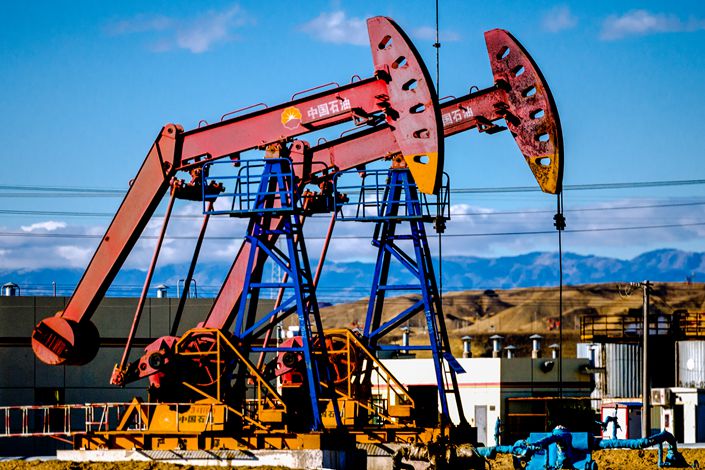
ਸ਼ਿਨਜਿਆਂਗ ਪੈਟਰੋਲੀਅਮ ਪ੍ਰਸ਼ਾਸਨਿਕ ਬਿਊਰੋ - ਸੀਐਨਪੀਸੀ
ਚੁਣੌਤੀ:ਚਾਈਨਾ ਨੈਸ਼ਨਲ ਪੈਟਰੋਲੀਅਮ ਕਾਰਪੋਰੇਸ਼ਨ ਨਾਲ ਸੰਬੰਧਿਤ, ਸ਼ਿਨਜਿਆਂਗ ਪੈਟਰੋਲੀਅਮ ਐਡਮਿਨਿਸਟ੍ਰੇਟਿਵ ਬਿਊਰੋ ਨੂੰ 2020 ਵਿੱਚ ਆਪਣੇ ਡੇਟਾ ਸੈਂਟਰ ਦੇ ਏਅਰ ਕੰਡੀਸ਼ਨਿੰਗ ਅਤੇ ਕੋਲਡ ਸਟੋਰੇਜ ਸਿਸਟਮ ਲਈ ਇੱਕ ਭਰੋਸੇਯੋਗ ਕੂਲਿੰਗ ਹੱਲ ਦੀ ਲੋੜ ਸੀ। ਬਹੁਤ ਜ਼ਿਆਦਾ ਤਾਪਮਾਨ ਭਿੰਨਤਾਵਾਂ ਵਾਲੇ ਕਠੋਰ ਮਾਰੂਥਲ ਵਾਤਾਵਰਣ ਨੇ ਇੱਕ ਅਜਿਹੇ ਹੱਲ ਦੀ ਮੰਗ ਕੀਤੀ ਜੋ ਅਸਾਧਾਰਨ ਭਰੋਸੇਯੋਗਤਾ ਅਤੇ ਲੰਬੇ ਸਮੇਂ ਦੀ ਸਥਿਰਤਾ ਪ੍ਰਦਾਨ ਕਰ ਸਕੇ।
ਹੱਲ:ਵਿਆਪਕ ਮੁਲਾਂਕਣ ਤੋਂ ਬਾਅਦ, ਬਿਊਰੋ ਨੇ ਆਪਣੇ ਕੂਲਿੰਗ ਬੁਨਿਆਦੀ ਢਾਂਚੇ ਲਈ 80 ਟਨ LM-4 ਗਲੇਸ਼ੀਅਰ ਕੂਲੈਂਟ ਦੀ ਚੋਣ ਕੀਤੀ। ਇਹ ਹੱਲ ਖਾਸ ਤੌਰ 'ਤੇ ਇਸਦੇ ਉੱਤਮ ਤਾਪ ਟ੍ਰਾਂਸਫਰ ਪ੍ਰਦਰਸ਼ਨ, ਵਿਆਪਕ ਖੋਰ ਸੁਰੱਖਿਆ, ਅਤੇ ਮੰਗ ਵਾਲੇ ਵਾਤਾਵਰਣਾਂ ਵਿੱਚ ਸਾਬਤ ਭਰੋਸੇਯੋਗਤਾ ਲਈ ਚੁਣਿਆ ਗਿਆ ਸੀ।
ਲਾਗੂ ਕਰਨ ਦੀਆਂ ਮੁੱਖ ਗੱਲਾਂ:
● 80 ਟਨ LM-4 ਕੂਲੈਂਟ ਡੇਟਾ ਸੈਂਟਰ ਕੂਲਿੰਗ ਸਿਸਟਮਾਂ ਵਿੱਚ ਤਾਇਨਾਤ ਕੀਤਾ ਗਿਆ।
● ਮੌਜੂਦਾ ਬੁਨਿਆਦੀ ਢਾਂਚੇ ਦੇ ਨਾਲ ਵਿਆਪਕ ਸਿਸਟਮ ਏਕੀਕਰਨ
● ਲਾਗੂ ਕਰਨ ਦੌਰਾਨ ਪੇਸ਼ੇਵਰ ਤਕਨੀਕੀ ਸਹਾਇਤਾ
ਨਤੀਜੇ:ਸਿਸਟਮਾਂ ਨੇ ਬਿਨਾਂ ਕਿਸੇ ਰੁਕਾਵਟ ਦੇ ਕੰਮ ਕੀਤਾ ਹੈ, ਘੱਟੋ-ਘੱਟ ਉਪਕਰਣਾਂ ਦੇ ਨੁਕਸਾਨ ਅਤੇ ਸ਼ਾਨਦਾਰ ਲੰਬੇ ਸਮੇਂ ਦੀ ਸਥਿਰਤਾ ਦੇ ਨਾਲ। ਇਸ ਸਫਲਤਾ ਨੇ ਹੋਰ ਪੈਟਰੋਲੀਅਮ ਉਦਯੋਗ ਸਹੂਲਤਾਂ ਲਈ ਸਾਂਝੇਦਾਰੀ ਅਤੇ ਸਿਫ਼ਾਰਸ਼ਾਂ ਨੂੰ ਜਾਰੀ ਰੱਖਿਆ ਹੈ।
80 ਟਨ
LM-4 ਤੈਨਾਤ
2020
ਲਾਗੂ ਕਰਨ ਦਾ ਸਾਲ
0
ਉਪਕਰਣ ਅਸਫਲਤਾਵਾਂ
ਚੀਨ ਰੇਲਵੇ ਡੇਟਾ ਸੈਂਟਰ - ਕੋਰ ਇਨਫਰਾਸਟ੍ਰਕਚਰ ਕੂਲਿੰਗ
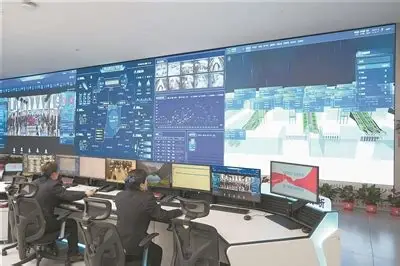
ਚੁਣੌਤੀ:ਚਾਈਨਾ ਰੇਲਵੇ ਕਾਰਪੋਰੇਸ਼ਨ ਦਾ ਮੁੱਖ ਡੇਟਾ ਸੈਂਟਰ, ਜੋ ਕਿ ਵੂਕਿੰਗ ਜ਼ਿਲ੍ਹੇ, ਤਿਆਨਜਿਨ ਵਿੱਚ ਸਥਿਤ ਹੈ, ਮਹੱਤਵਪੂਰਨ ਰੇਲਵੇ ਡੇਟਾ ਸਟੋਰੇਜ ਲਈ ਕੇਂਦਰੀ ਹੱਬ ਵਜੋਂ ਕੰਮ ਕਰਦਾ ਹੈ, ਜਿਸ ਵਿੱਚ 12306 ਟਿਕਟਿੰਗ ਸਿਸਟਮ ਡੇਟਾ ਅਤੇ ਰੇਲਵੇ ਸੰਚਾਲਨ ਜਾਣਕਾਰੀ ਸ਼ਾਮਲ ਹੈ। ਇਸ ਮਿਸ਼ਨ-ਨਾਜ਼ੁਕ ਸਹੂਲਤ ਨੂੰ ਕੋਰ ਡੇਟਾ ਸਟੋਰੇਜ, ਮੁੱਖ ਵਪਾਰਕ ਕੰਪਿਊਟਿੰਗ, ਅਤੇ ਡੇਟਾ ਬੈਕਅੱਪ ਕਾਰਜਾਂ ਦਾ ਸਮਰਥਨ ਕਰਨ ਲਈ ਬਹੁਤ ਭਰੋਸੇਮੰਦ ਕੂਲਿੰਗ ਹੱਲਾਂ ਦੀ ਲੋੜ ਹੁੰਦੀ ਹੈ।
ਹੱਲ:2020 ਤੋਂ, ਡੇਟਾ ਸੈਂਟਰ ਆਪਣੇ ਏਅਰ ਕੂਲਿੰਗ ਸਿਸਟਮ, ਆਊਟਡੋਰ ਕੂਲਿੰਗ ਸਰਕਟਾਂ, ਅਤੇ ਇਨਡੋਰ ਫ੍ਰੀਜ਼ਿੰਗ-ਸਾਈਡ ਪ੍ਰੋਫੈਸ਼ਨਲ ਰੈਫ੍ਰਿਜਰੇਸ਼ਨ ਲਈ 80 ਟਨ LM-4 ਗਲੇਸ਼ੀਅਰ ਕੂਲੈਂਟ ਦੀ ਵਰਤੋਂ ਕਰ ਰਿਹਾ ਹੈ। LM-4 ਘੋਲ ਨੂੰ ਇਸਦੇ ਉੱਤਮ ਹੀਟ ਟ੍ਰਾਂਸਫਰ ਪ੍ਰਦਰਸ਼ਨ, ਵਿਆਪਕ ਖੋਰ ਸੁਰੱਖਿਆ, ਅਤੇ 24/7 ਮਹੱਤਵਪੂਰਨ ਬੁਨਿਆਦੀ ਢਾਂਚੇ ਦੇ ਕਾਰਜਾਂ ਦਾ ਸਮਰਥਨ ਕਰਨ ਵਿੱਚ ਸਾਬਤ ਭਰੋਸੇਯੋਗਤਾ ਲਈ ਚੁਣਿਆ ਗਿਆ ਸੀ।
ਲਾਗੂ ਕਰਨ ਦੀਆਂ ਮੁੱਖ ਗੱਲਾਂ:
● ਵਿਆਪਕ ਕੂਲਿੰਗ ਲਈ 80 ਟਨ LM-4 ਕੂਲੈਂਟ ਤਾਇਨਾਤ ਕੀਤਾ ਗਿਆ।
● ਇਨਡੋਰ ਸਰਵਰ ਵਾਤਾਵਰਣਾਂ ਲਈ ਏਅਰ ਕੂਲਿੰਗ ਸਿਸਟਮ
● ਗਰਮੀ ਰੱਦ ਕਰਨ ਲਈ ਬਾਹਰੀ ਕੂਲਿੰਗ ਸਰਕਟ
● ਅੰਦਰੂਨੀ ਫ੍ਰੀਜ਼ਿੰਗ-ਸਾਈਡ ਪੇਸ਼ੇਵਰ ਰੈਫ੍ਰਿਜਰੇਸ਼ਨ ਸਹਾਇਤਾ
ਨਤੀਜੇ:LM-4 ਕੂਲਿੰਗ ਸਲਿਊਸ਼ਨ 2020 ਤੋਂ ਭਰੋਸੇਯੋਗ ਸੰਚਾਲਨ ਪ੍ਰਦਾਨ ਕਰ ਰਿਹਾ ਹੈ, ਜੋ ਕਿ ਰੇਲਵੇ ਉਦਯੋਗ ਦੇ ਸਭ ਤੋਂ ਮਹੱਤਵਪੂਰਨ ਡੇਟਾ ਬੁਨਿਆਦੀ ਢਾਂਚੇ ਨੂੰ ਸ਼ਾਨਦਾਰ ਥਰਮਲ ਪ੍ਰਬੰਧਨ ਪ੍ਰਦਰਸ਼ਨ ਅਤੇ ਸਿਸਟਮ ਸਥਿਰਤਾ ਦੇ ਨਾਲ ਸਮਰਥਨ ਦਿੰਦਾ ਹੈ।
80 ਟਨ
LM-4 ਤੈਨਾਤ
2020
ਲਾਗੂ ਕਰਨ ਦਾ ਸਾਲ
12306
ਕੁੰਜੀ ਐਪਲੀਕੇਸ਼ਨ
ਅਰਜ਼ੀ ਪ੍ਰਵਾਹ ਪ੍ਰਕਿਰਿਆ
ਸਿਸਟਮ ਮੁਲਾਂਕਣ
ਕੂਲਿੰਗ ਲੋੜਾਂ ਅਤੇ ਪਾਵਰ ਘਣਤਾ ਦਾ ਵਿਸ਼ਲੇਸ਼ਣ
ਉਤਪਾਦ ਚੋਣ
ਐਪਲੀਕੇਸ਼ਨ ਦੀ ਕਿਸਮ ਦੇ ਆਧਾਰ 'ਤੇ ਕੂਲੈਂਟ ਚੁਣੋ।
ਸਿਸਟਮ ਏਕੀਕਰਨ
ਪੇਸ਼ੇਵਰ ਸਥਾਪਨਾ ਅਤੇ ਕਮਿਸ਼ਨਿੰਗ
ਪ੍ਰਦਰਸ਼ਨ ਨਿਗਰਾਨੀ
ਨਿਰੰਤਰ ਨਿਗਰਾਨੀ ਅਤੇ ਅਨੁਕੂਲਤਾ
ਅਨੁਕੂਲ ਕਾਰਜ
ਨਿਰੰਤਰ ਕੁਸ਼ਲਤਾ ਅਤੇ ਭਰੋਸੇਯੋਗਤਾ
ਅਕਸਰ ਪੁੱਛੇ ਜਾਣ ਵਾਲੇ ਸਵਾਲ
ਗਲੇਸ਼ੀਅਰ ਕੂਲੈਂਟ ਵਿਆਪਕ ਕੂਲਿੰਗ ਹੱਲ ਪੇਸ਼ ਕਰਦਾ ਹੈ:
● ਪਾਣੀ ਠੰਢਾ ਕਰਨ ਵਾਲੇ ਸਿਸਟਮ- ਰਵਾਇਤੀ ਠੰਢੇ ਪਾਣੀ ਦੇ ਲੂਪਾਂ ਲਈ LM-4 (ਐਥੀਲੀਨ ਗਲਾਈਕੋਲ) ਅਤੇ LM-4ABG (ਪ੍ਰੋਪਾਈਲੀਨ ਗਲਾਈਕੋਲ) ਦੀ ਵਰਤੋਂ
●ਕੋਲਡ ਪਲੇਟ ਤਰਲ ਕੂਲਿੰਗ- ਉੱਚ-ਪ੍ਰਦਰਸ਼ਨ ਵਾਲੇ ਹਿੱਸਿਆਂ ਦੇ ਸਿੱਧੇ ਸੰਪਰਕ ਕੂਲਿੰਗ ਲਈ LM-4D, LM-4D-YE, ਅਤੇ LM-4ABG ਦੀ ਵਰਤੋਂ ਕਰਨਾ
●ਇਮਰਸ਼ਨ ਕੂਲਿੰਗ- ਆਈਟੀ ਉਪਕਰਣਾਂ ਨੂੰ ਸਿੱਧੇ ਤੌਰ 'ਤੇ ਡੁਬੋਣ ਲਈ LM-14, LM-14C, LM-15B, ਅਤੇ LM-17 ਡਾਈਇਲੈਕਟ੍ਰਿਕ ਤਰਲ ਪਦਾਰਥਾਂ ਦੀ ਵਰਤੋਂ ਕਰਨਾ
ਸਾਡੇ ਕੂਲਿੰਗ ਸਮਾਧਾਨ ਕੂਲਿੰਗ ਪਹੁੰਚ ਦੇ ਆਧਾਰ 'ਤੇ 1.1 ਤੋਂ 1.5 ਤੱਕ PUE ਰੇਟਿੰਗ ਪ੍ਰਾਪਤ ਕਰਨ ਵਿੱਚ ਮਦਦ ਕਰਦੇ ਹਨ:
● ਪਾਣੀ ਠੰਢਾ ਕਰਨਾ:PUE 1.3-1.5 ਪ੍ਰਾਪਤ ਕਰਦਾ ਹੈ, ਜੋ ਕਿ ਮੱਧ-ਘਣਤਾ ਵਾਲੀਆਂ ਸਹੂਲਤਾਂ ਲਈ ਆਦਰਸ਼ ਹੈ।
●ਕੋਲਡ ਪਲੇਟ ਕੂਲਿੰਗ:1.3 ਤੋਂ ਘੱਟ PUE ਪ੍ਰਾਪਤ ਕਰਦਾ ਹੈ, ਉੱਚ-ਘਣਤਾ ਵਾਲੇ ਕੰਪਿਊਟਿੰਗ ਲਈ ਢੁਕਵਾਂ
●ਇਮਰਸ਼ਨ ਕੂਲਿੰਗ:PUE 1.1-1.2 ਪ੍ਰਾਪਤ ਕਰਦਾ ਹੈ, ਜੋ ਕਿ ਬਹੁਤ ਜ਼ਿਆਦਾ ਘਣਤਾ ਲਈ ਸਭ ਤੋਂ ਕੁਸ਼ਲ ਹੱਲ ਹੈ।
ਵੱਖ-ਵੱਖ ਕੂਲਿੰਗ ਸਿਸਟਮ ਵੱਖ-ਵੱਖ ਪਾਵਰ ਘਣਤਾਵਾਂ ਦਾ ਸਮਰਥਨ ਕਰਦੇ ਹਨ:
● ਪਾਣੀ ਠੰਢਾ ਕਰਨਾ:20 kW/ਰੈਕ ਤੱਕ ਦਾ ਸਮਰਥਨ ਕਰਦਾ ਹੈ, ਰਵਾਇਤੀ ਐਂਟਰਪ੍ਰਾਈਜ਼ ਡੇਟਾ ਸੈਂਟਰਾਂ ਲਈ ਆਦਰਸ਼।
●ਕੋਲਡ ਪਲੇਟ ਤਰਲ ਕੂਲਿੰਗ:50 kW/ਰੈਕ ਤੱਕ ਦਾ ਸਮਰਥਨ ਕਰਦਾ ਹੈ, GPU/TPU-ਅਧਾਰਿਤ AI ਸਿਖਲਾਈ ਪ੍ਰਣਾਲੀਆਂ ਲਈ ਸੰਪੂਰਨ।
●ਇਮਰਸ਼ਨ ਕੂਲਿੰਗ:100+ kW/ਰੈਕ ਦਾ ਸਮਰਥਨ ਕਰਦਾ ਹੈ, ਅਗਲੀ ਪੀੜ੍ਹੀ ਦੀਆਂ ਅਤਿ-ਘਣਤਾ ਵਾਲੀਆਂ ਸਹੂਲਤਾਂ ਨੂੰ ਸਮਰੱਥ ਬਣਾਉਂਦਾ ਹੈ।
ਹਾਂ, ਸਾਡੇ ਉਤਪਾਦ ਵਾਤਾਵਰਣ ਸੰਬੰਧੀ ਵਿਚਾਰਾਂ ਨੂੰ ਧਿਆਨ ਵਿੱਚ ਰੱਖ ਕੇ ਤਿਆਰ ਕੀਤੇ ਗਏ ਹਨ:
● LM-4ABG ਗੈਰ-ਜ਼ਹਿਰੀਲੇ ਪ੍ਰੋਪੀਲੀਨ ਗਲਾਈਕੋਲ ਦੀ ਵਰਤੋਂ ਕਰਦਾ ਹੈ, ਜੋ ਇਸਨੂੰ ਵਾਤਾਵਰਣ ਅਤੇ ਕਰਮਚਾਰੀਆਂ ਲਈ ਸੁਰੱਖਿਅਤ ਬਣਾਉਂਦਾ ਹੈ।
● ਸਾਰੇ ਉਤਪਾਦ ਬਾਇਓਡੀਗ੍ਰੇਡੇਬਲ ਹੋਣ ਅਤੇ ਅੰਤਰਰਾਸ਼ਟਰੀ ਵਾਤਾਵਰਣ ਮਿਆਰਾਂ ਨੂੰ ਪੂਰਾ ਕਰਨ ਲਈ ਤਿਆਰ ਕੀਤੇ ਗਏ ਹਨ।
● ਸਾਡੇ ਹੱਲ ਊਰਜਾ ਦੀ ਖਪਤ ਨੂੰ ਘਟਾਉਣ ਵਿੱਚ ਮਦਦ ਕਰਦੇ ਹਨ, ਟਿਕਾਊ ਡੇਟਾ ਸੈਂਟਰ ਕਾਰਜਾਂ ਦਾ ਸਮਰਥਨ ਕਰਦੇ ਹਨ।
ਅਸੀਂ ਹੇਠ ਲਿਖੇ ਰੱਖ-ਰਖਾਅ ਦੇ ਕਾਰਜਕ੍ਰਮ ਦੀ ਸਿਫ਼ਾਰਸ਼ ਕਰਦੇ ਹਾਂ:
● ਰੋਜ਼ਾਨਾ:ਲੀਕ, ਮਾਨੀਟਰ ਪ੍ਰੈਸ਼ਰ ਅਤੇ ਤਾਪਮਾਨ ਗੇਜ ਲਈ ਵਿਜ਼ੂਅਲ ਨਿਰੀਖਣ
●ਮਹੀਨਾਵਾਰ:ਤਰਲ ਦੀ ਗਾੜ੍ਹਾਪਣ, pH ਪੱਧਰਾਂ ਦੀ ਜਾਂਚ ਕਰੋ, ਅਤੇ ਮੁੱਢਲੇ ਤਰਲ ਵਿਸ਼ਲੇਸ਼ਣ ਕਰੋ।
●ਤਿਮਾਹੀ:ਪੂਰਾ ਸਿਸਟਮ ਨਿਰੀਖਣ, ਫਿਲਟਰ ਬਦਲਣਾ, ਅਤੇ ਵਿਆਪਕ ਤਰਲ ਵਿਸ਼ਲੇਸ਼ਣ
●ਸਾਲਾਨਾ:ਪੂਰਾ ਸਿਸਟਮ ਫਲੱਸ਼ ਅਤੇ ਤਰਲ ਪਦਾਰਥ ਬਦਲਣਾ (ਬੰਦ-ਲੂਪ ਸਿਸਟਮਾਂ ਲਈ ਹਰ 8-10 ਸਾਲਾਂ ਬਾਅਦ)
ਕੀ ਤੁਸੀਂ ਆਪਣੇ ਡੇਟਾ ਸੈਂਟਰ ਕੂਲਿੰਗ ਨੂੰ ਅਨੁਕੂਲ ਬਣਾਉਣ ਲਈ ਤਿਆਰ ਹੋ?
ਸਾਡੀ ਮਾਹਿਰਾਂ ਦੀ ਟੀਮ ਇੱਕ ਵਿਆਪਕ ਸਿਸਟਮ ਮੁਲਾਂਕਣ ਕਰੇਗੀ ਅਤੇ ਤੁਹਾਡੀਆਂ ਖਾਸ ਜ਼ਰੂਰਤਾਂ ਦੇ ਅਨੁਸਾਰ ਇੱਕ ਅਨੁਕੂਲਿਤ ਹੱਲ ਤਿਆਰ ਕਰੇਗੀ।
ਪੋਸਟ ਸਮਾਂ: ਜੁਲਾਈ-21-2026